The pipe
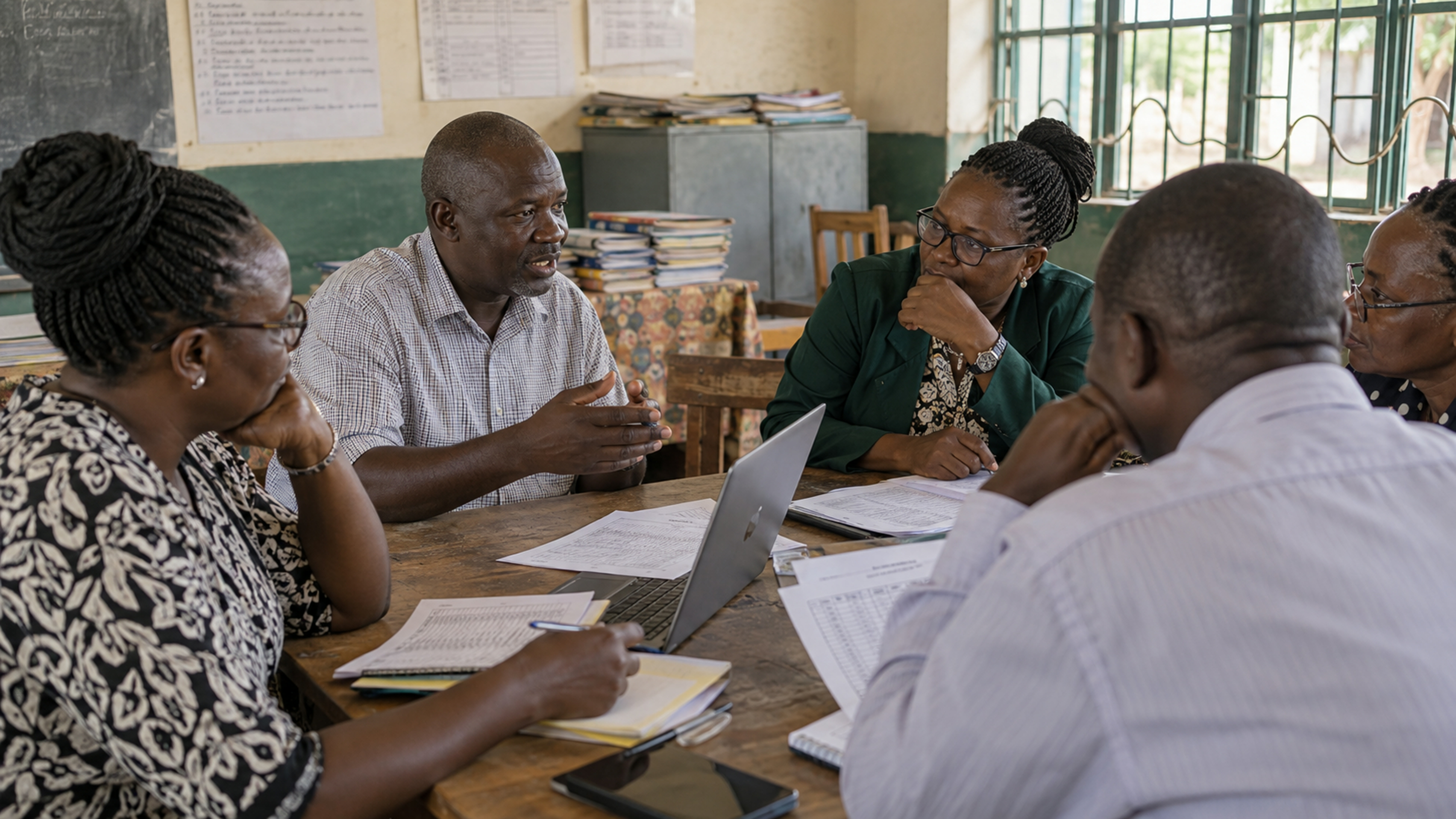
The strongest documented pattern is business-to-government distribution through the Kenya Primary School Heads Association. KEPSHA’s zonal and sub-county chairs authorise schools inside the structure those schools already trust. Teachers then work in Kurasa Workspace and in PSL. The association is the pipe. It is not a logo we borrowed for a landing page.
Vihiga is the case we will describe as a mechanism until more names are cleared. A county conversation, chairs, authorised schools, then the weekday stack: plans, formative evidence, a termly sitting when the school is ready. That order matters. A contest without a workspace is a tent. A workspace without a trusted pipe is a product that stays in the private schools that already had a credit card.
Public schools, on the record we already have
The public-school chapter did not start with a league. EdTech Hub featured Kurasa in 2023 among practitioners who treat evidence as part of building a product. That work continued in Kirinyaga County in 2023 and 2024: foundational learning evidence, generated with Brink and the Jacobs Foundation, in collaboration with the Teachers Service Commission. The findings helped take Kurasa into public schools. The partners page publishes ~400 public schools in Kenya on that trail. It does not publish a list of those schools here.
What a sitting is for
PSL is termly assessment, insight, and — when a group of schools needs it — a collective summative picture for associations, dioceses and other bodies. A contest sitting is a diagnostic with a public table, not a prize day that swallows the year.
The Acacia Crest Edition, 2026, is on the journal because that sitting is cleared: twelve schools, 207 scored scripts, an average of 37.3 percent. The write-up is explicit that the combination — individual ranking, teams, school comparison, strand diagnosis — is meant to send every participating school home with something a teacher can reteach the following week. That is the PSL idea in public. It is not a claim about Vihiga, and it is not a KEPSHA league table.
What this paper is not
It is not a sales sheet for PSL Summative. Summative is a programme conversation for groups of schools; it is not a teacher signup. It is not a substitute for the weekday record’s 6,000+ teachers. It is not permission to name a headteacher who has not sat in front of a camera or signed a release. When those names are cleared, they will replace this paragraph — not a stock photo.