Ruka hadi maudhui
Anza

60 Decibels

What 208 Kenyan teachers told 60 Decibels about Kurasa

In March 2024, 60 Decibels-trained researchers rang 208 teachers who use Kurasa in Kenya. The sample was drawn from a client population of 991. This page is the public record of what they said — including the parts that are not flattering.

60 Decibels Lean Data Study, Kurasa Kenya, April 2024. Phone interviews with 208 teachers in Kenya, March 2024, in English and Kiswahili. Client population 991; response rate 52%; 95% confidence; margin of error ±5%. Sponsored by Acumen. Every figure on this page is teacher-reported. It is not the September 2026 homepage scale, and it is not the 2023 documentary snapshot.

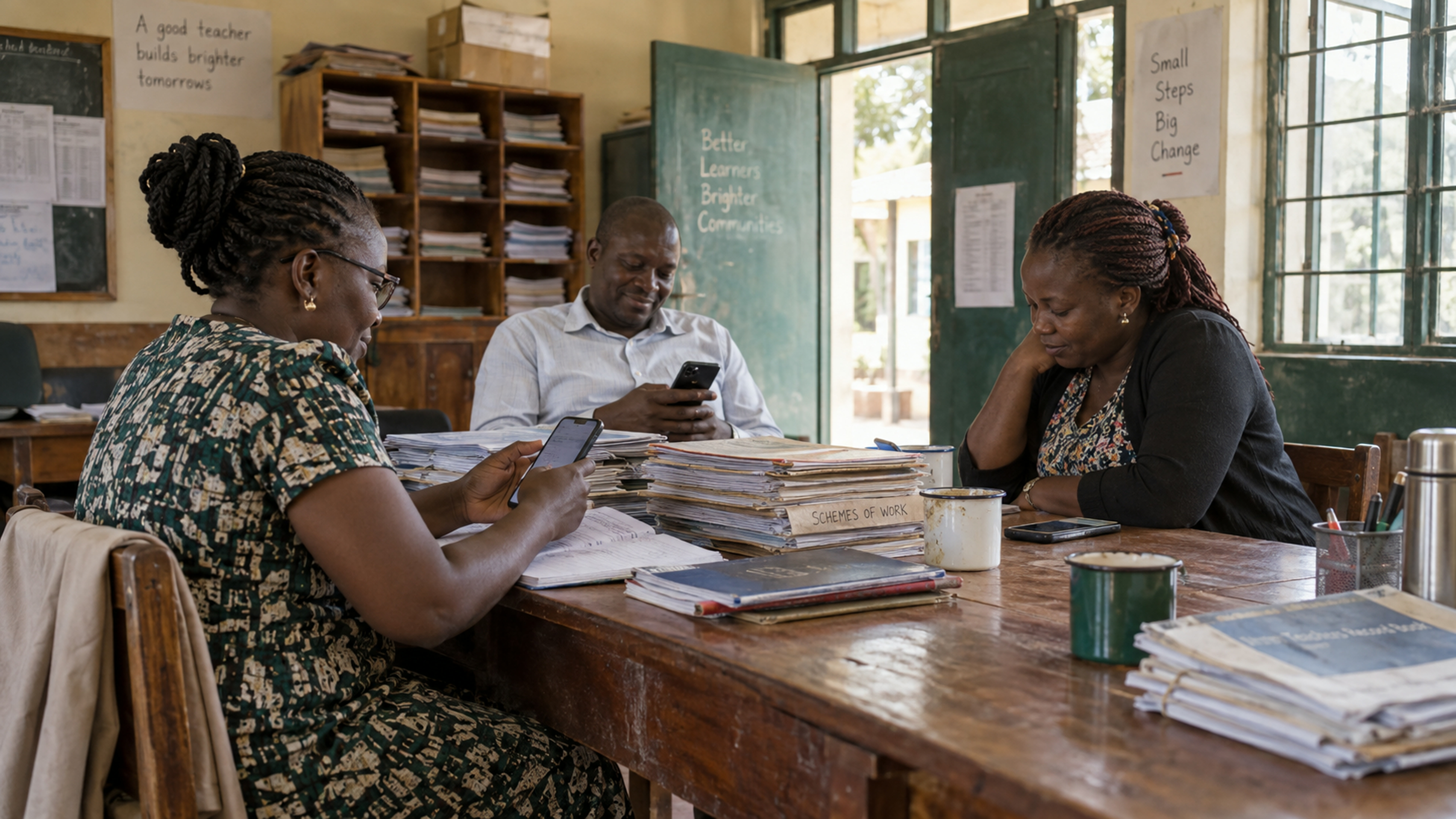
Adult Kenyan teachers at a long staffroom table with worn Android phones; no call-centre headsets.
94% Quality of life improved (73% very much — top 20% of the education benchmark)
95% Teaching practices improved
86% Less time on administrative tasks
87% Teachers report improved student academics
90% Classroom participation increased
40 Net Promoter Score — good, below the 60dB education benchmark of 51

Sixty-one percent of the teachers were female. Average age was 36. Interviews ran about twenty minutes, in English or Kiswahili. The margin of error is ±5% at 95% confidence. Acumen sponsored the work.

The study is teacher-reported. 60 Decibels did not sit in classrooms with a test paper. When teachers say academics or participation moved, they are describing what they see. That still matters: those who reported academic gains had an NPS of 51; those who saw no change sat at −30.

Quality of life is the headline the benchmark celebrates. Ninety-four percent said it improved; 73% said very much — a top-20% result against other education companies 60 Decibels has measured. Female teachers were more likely to say “very much” (78%) than male teachers (67%).

Satisfaction is more mixed. An NPS of 40 is good. It is also below the 60 Decibels education benchmark of 51, pulled there by a large group of Passives (44%) who want more features and offline use. Forty percent of teachers had hit a snag — technical trouble, network, or data loss — and their NPS dropped to 15, against 57 for those who had not.

The rest of this series stays inside that ledger. Each piece cites the same 208 teachers. None of them borrow the 2023 film’s 20,000 learners, and none of them borrow the August 2026 homepage counts.

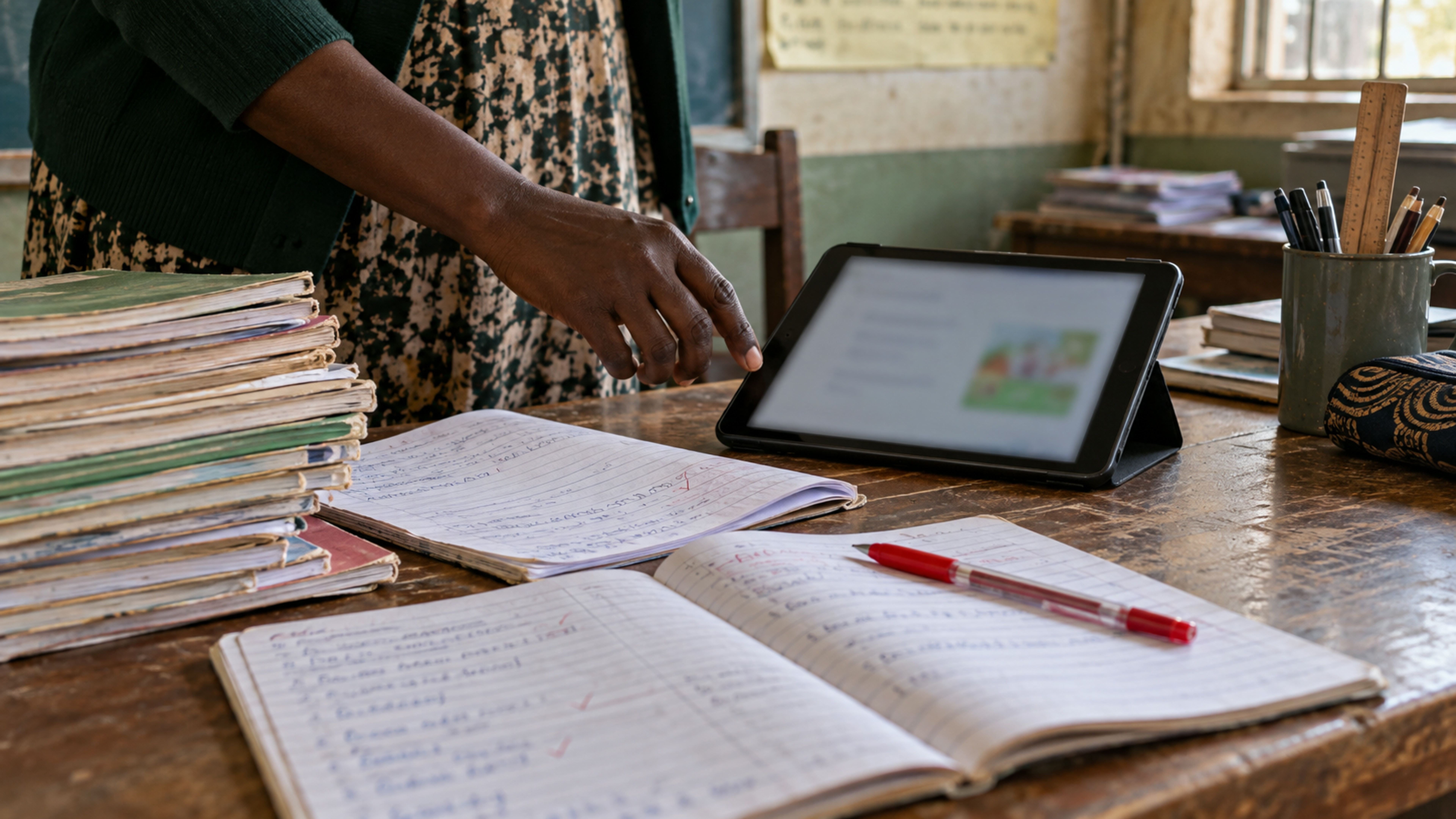
Open exercise books beside a tablet with a blurred lesson screen.
Teachers were interviewed by phone. The photographs on this site are documentary stills of Kenyan classrooms, not pictures of the 208 respondents.

In their words

Parents have been able to reach out to me through Kurasa, asking how we can work together to help their children — especially those students who are weak in certain areas of my subjects.

Female, 23 — 60 Decibels, March 2024

Kurasa has simplified almost 70% of my work, and since I am able to do my duties like lesson planning and assessment in less time, I get extra time to myself for relaxation.

Male, 25 — 60 Decibels, March 2024

Evidence

The same figures, on the Impact page.

A shorter reading of this study lives next to the 2023 film. The journal keeps the longer, cited versions.