Mpya
PSL Daily Challenge
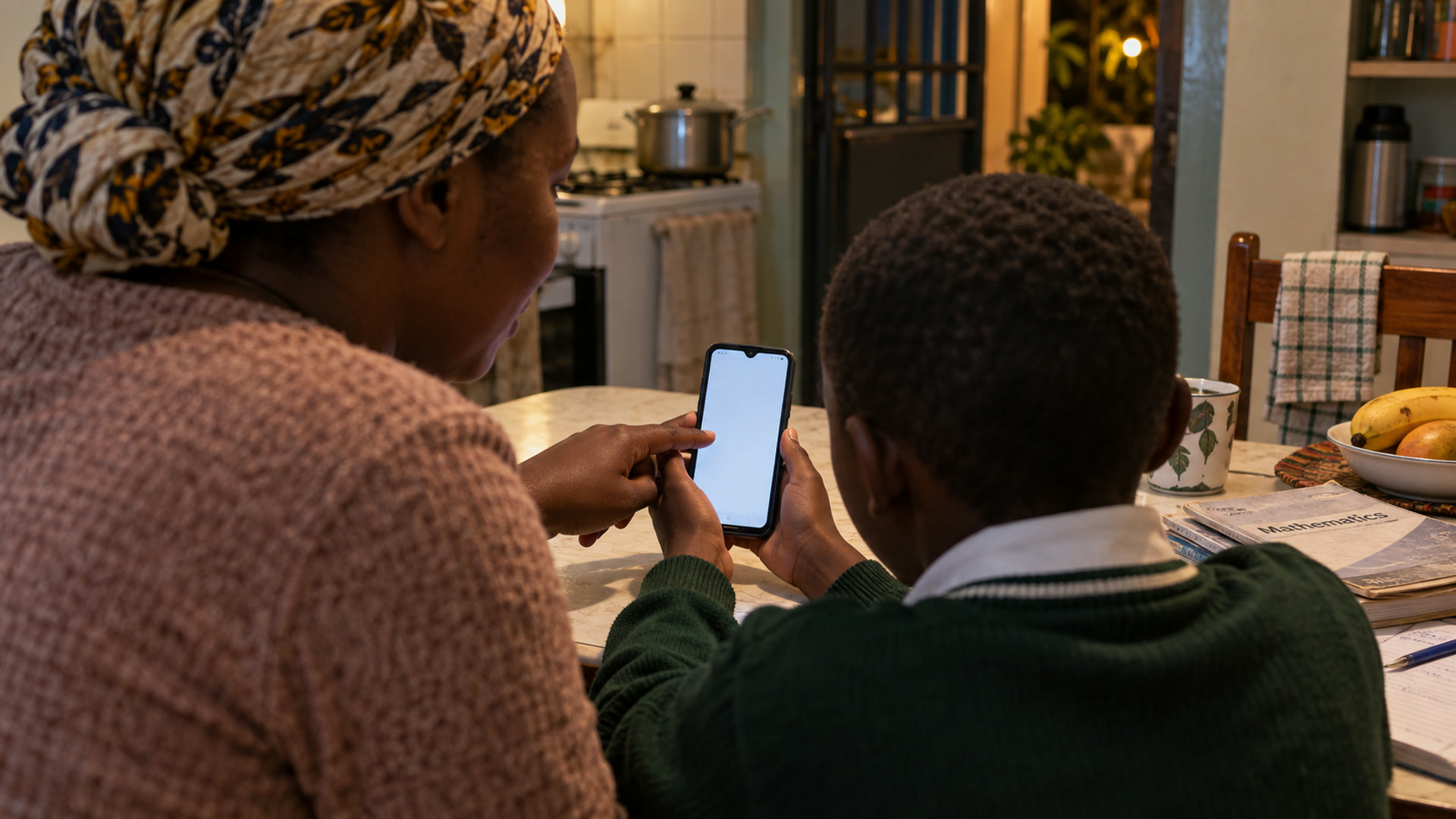
After school, eight minutes a day. Teachers recommend it as a homework alternative — five questions, not another booklet.
A learner answers 5 questions each day. How many questions in 7 days?
Everything you need to teach, assess and manage.
For stronger learners, schools and communities.
Mpya
After school, eight minutes a day. Teachers recommend it as a homework alternative — five questions, not another booklet.
A learner answers 5 questions each day. How many questions in 7 days?
Teacher-first CBC / CBE
One place for the lesson, the register, the evidence and the family — across Kenya, Rwanda and Ghana.
From classroom management to sustainable EdTech. Built on lessons from five years in market. Pivoted twice. Found product-market fit. Now scaling.
Figures as of September 2026. Building momentum toward our vision of reaching 2 million learners in Kenya. N+ means at least N.
What Kurasa is
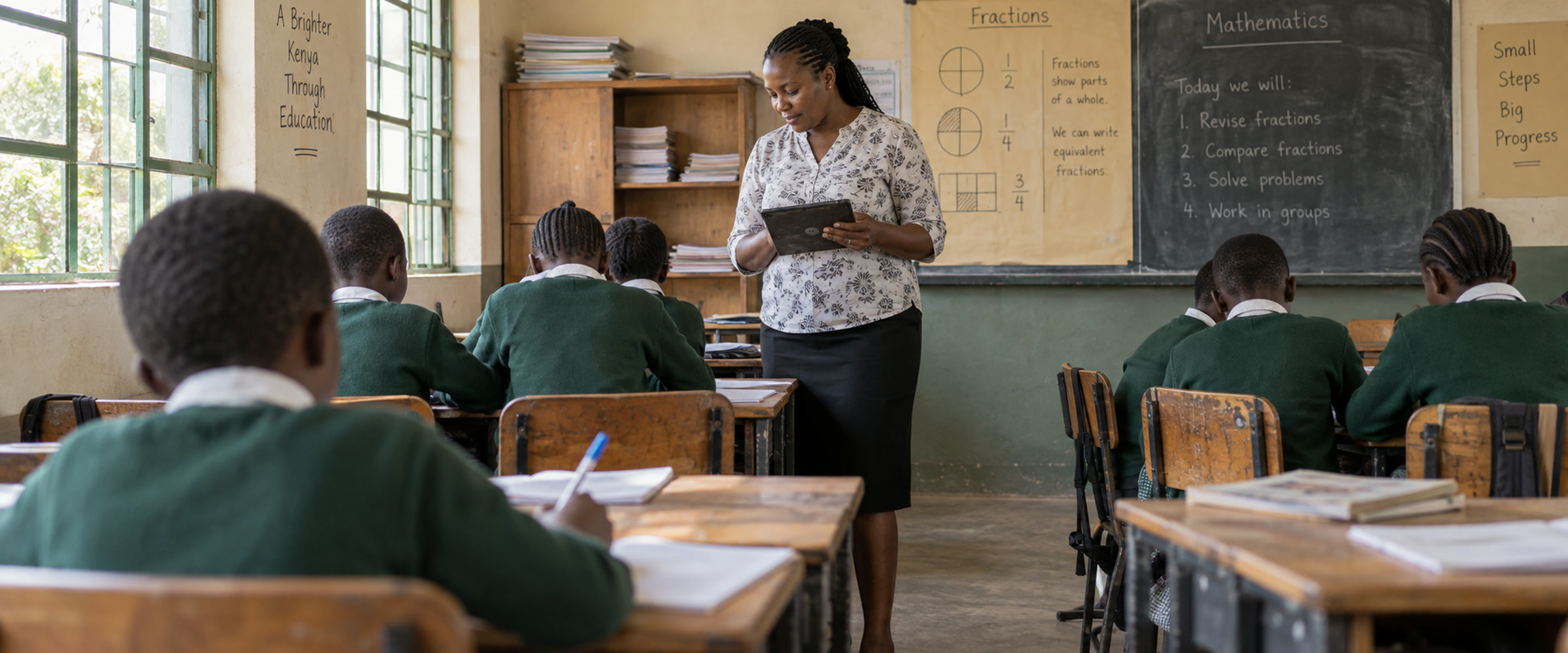
Kurasa is teacher-first software for CBC and CBE classrooms. It holds planning, assessment and family updates in one record so schools are not reconstructing the week from paper, spreadsheets and delayed reports.
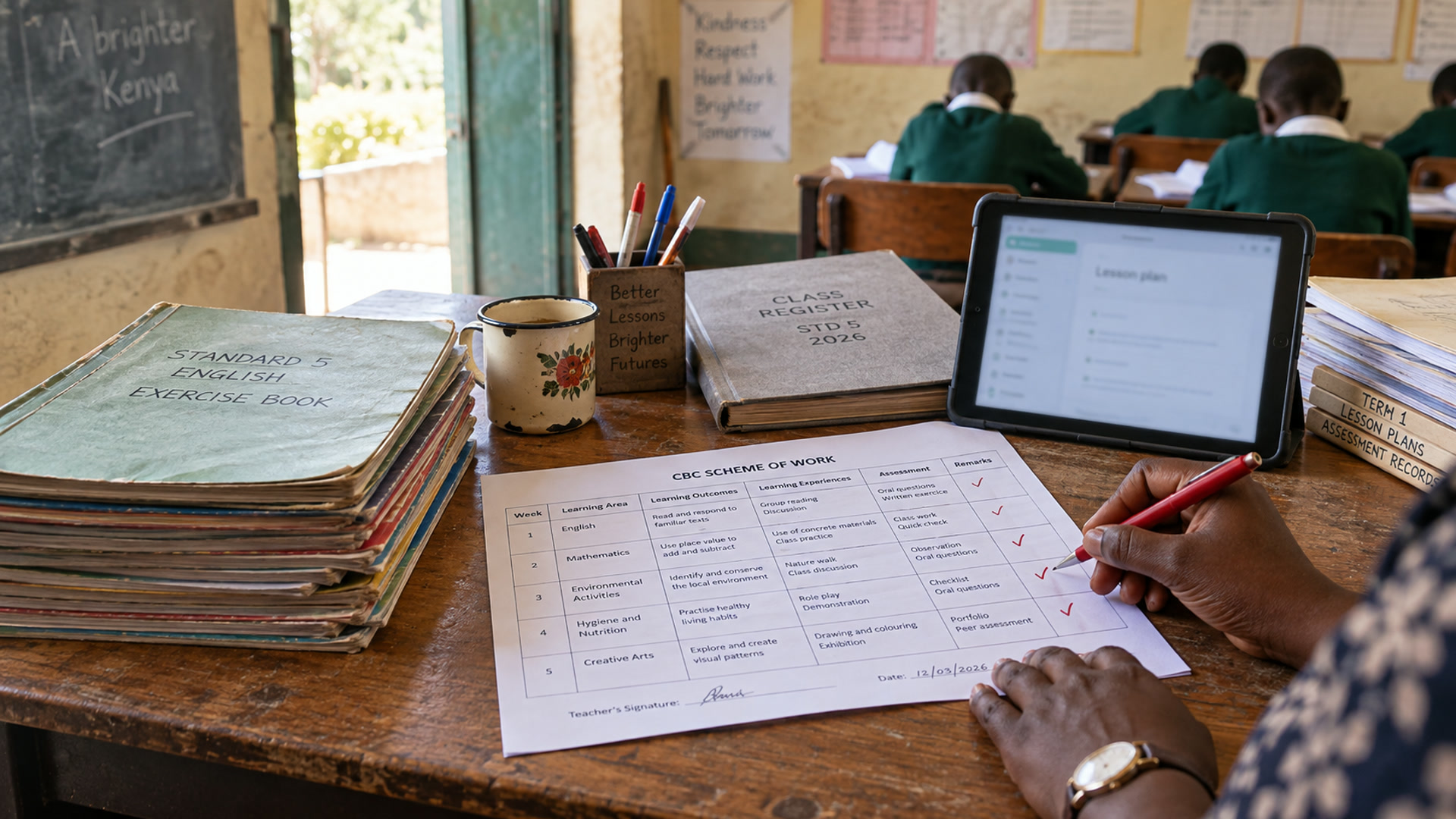
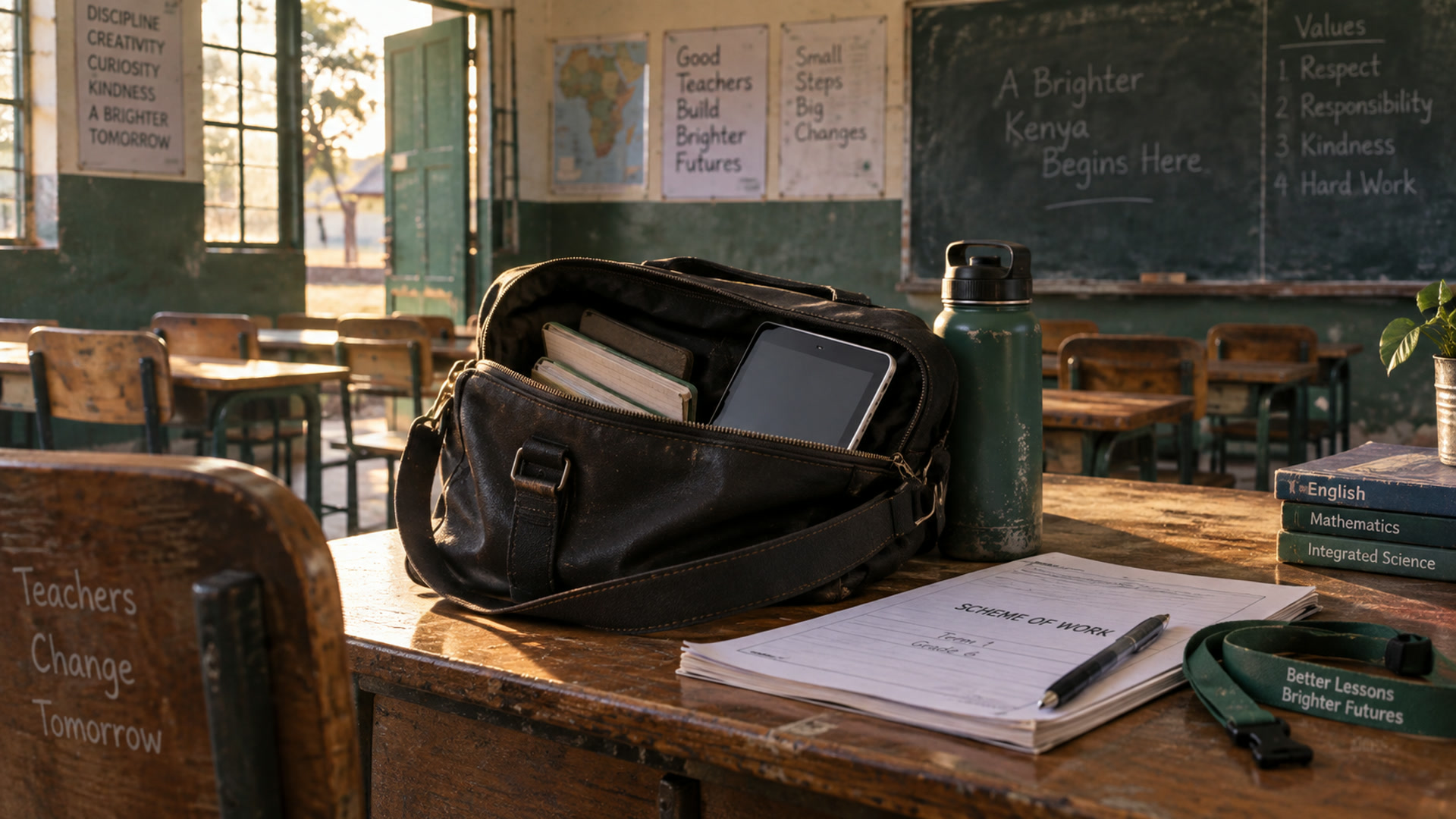
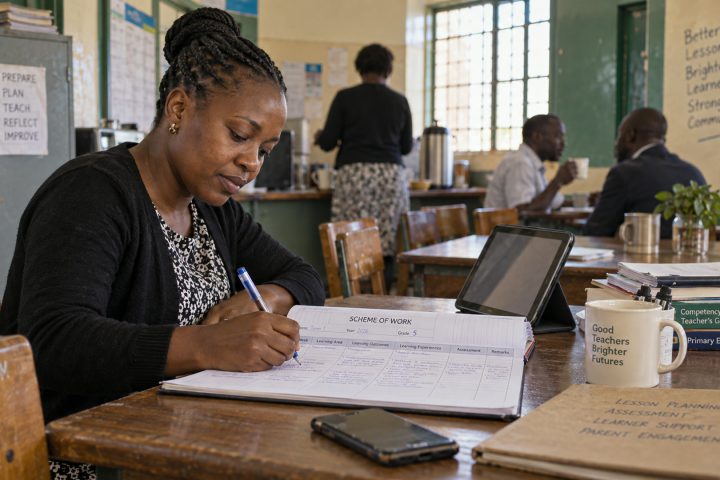
Lesson planning and schemes of work — the week ready before first period.
Formative and summative assessment, including Problem Solvers League.
Parents, digital reports and insights so the next action is visible.
Proof
Kenya · Rwanda · Ghana
Figures as of September 2026. N+ means at least N.
Bidhaa
Every product shares the same classroom record.
The digital school. Teachers plan, assess, and mark attendance. Headteachers see the whole school. Each school has its own secure workspace.
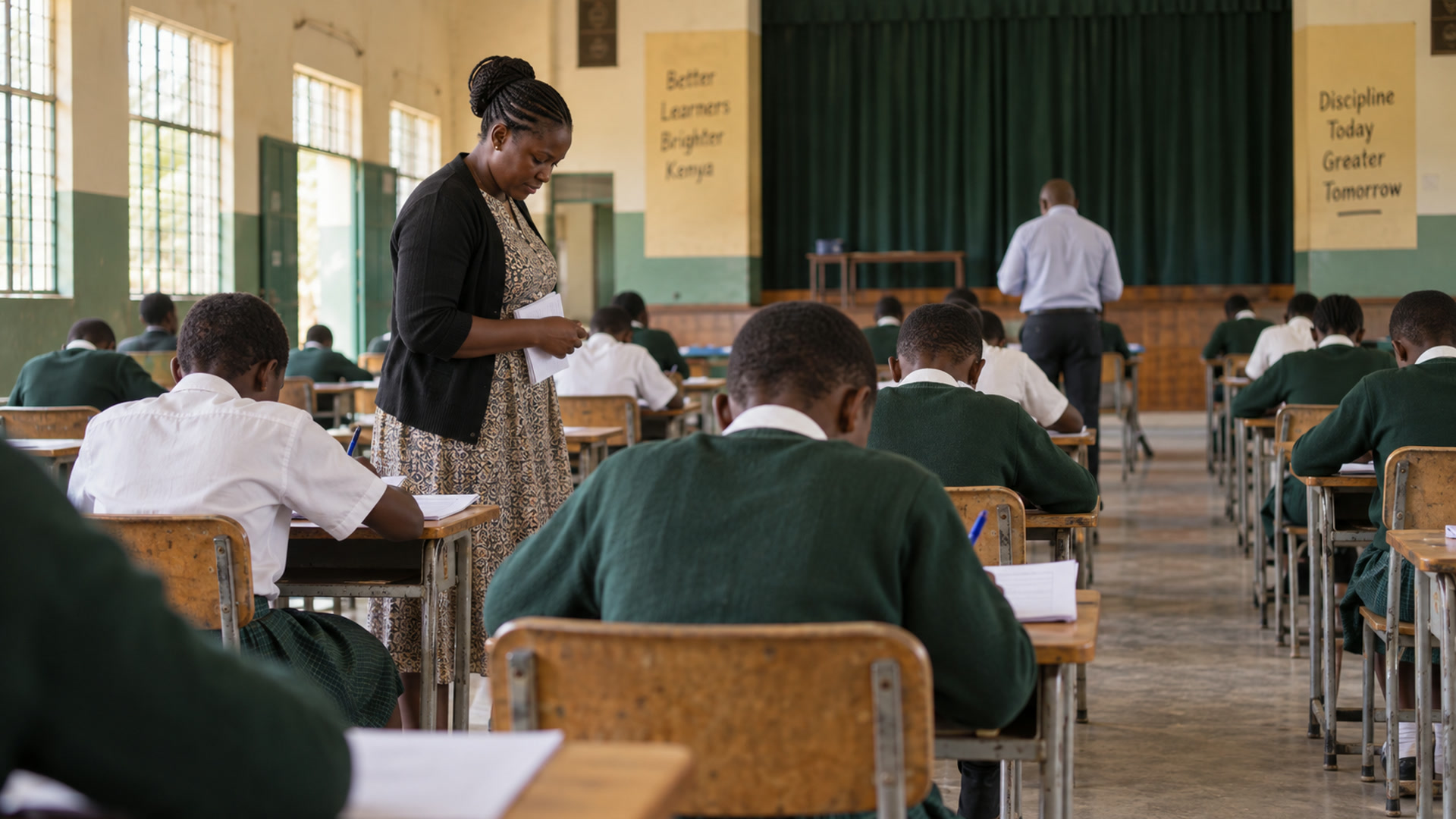
Termly assessments and school rankings, plus the annual PSL Mathematics Contest.
Growth Engine
After school, eight minutes a day. Teachers recommend it as a homework alternative — five questions, not another booklet.
Our growth path: family-driven practice, organic recommendations, and sustainable unit economics.
Get it on Google Play
Collective analysis of summative data for groups of schools — associations, dioceses and other school bodies — so leaders see the same termly picture.
Who it is for
Setup takes a maximum of 30 minutes for schoolwide data. Each teacher then sets up their own account, with a school-appointed ICT lead for ongoing support.
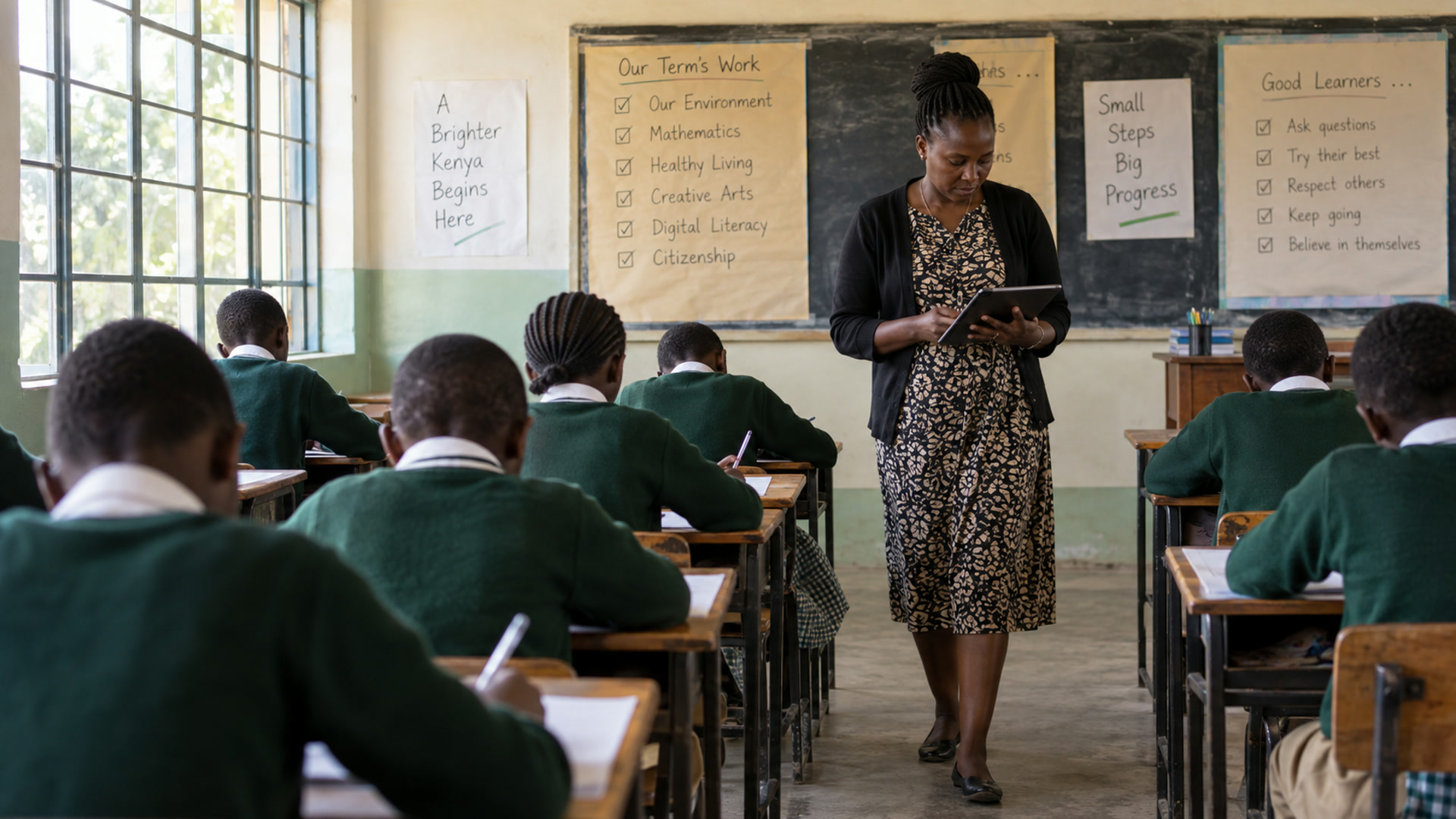
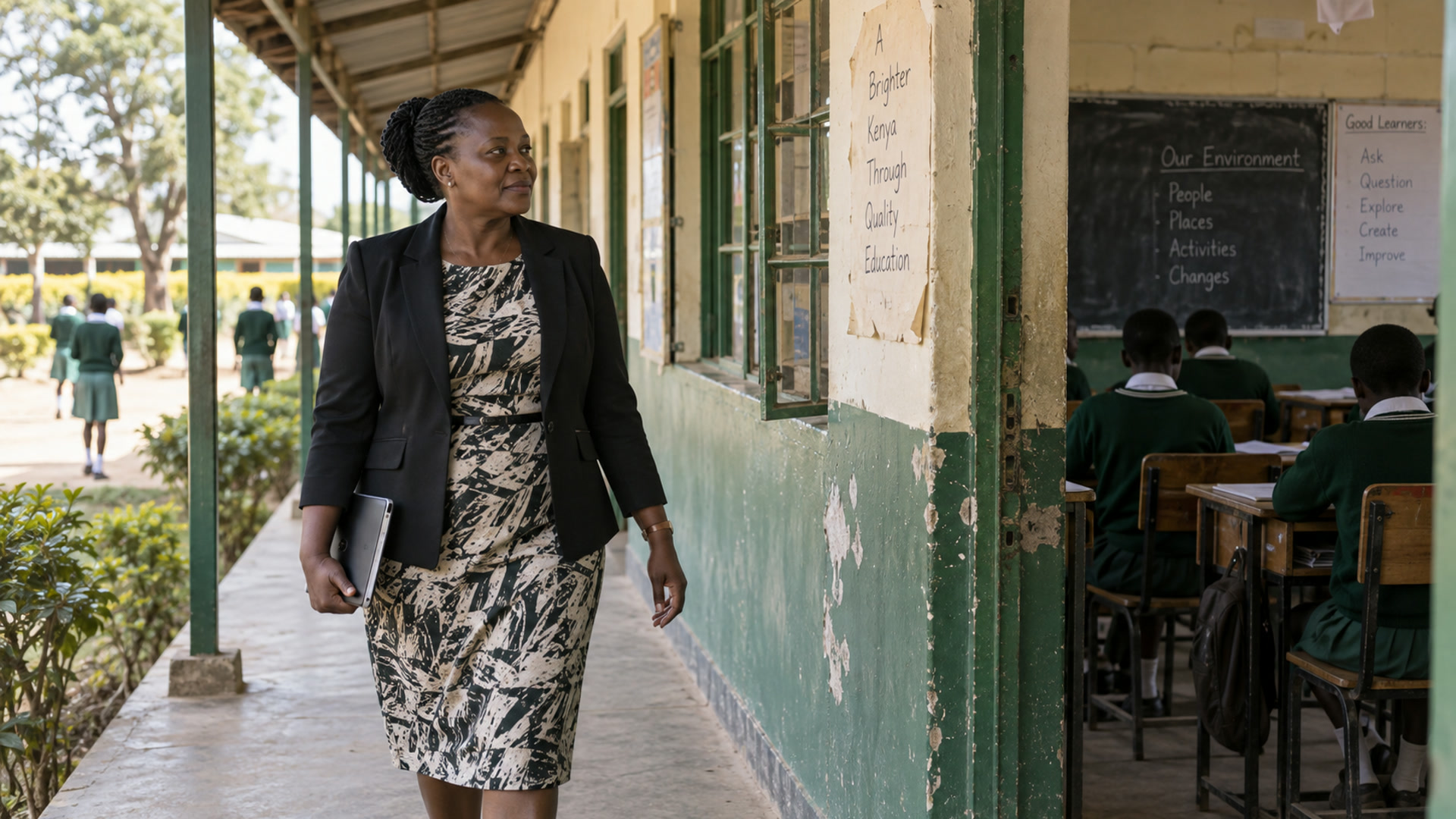
The school is the teacher. Kurasa is built so the person in the classroom — not a distant dashboard — holds the plan, the register and the evidence.
After school, every day: five CBC questions in about eight minutes. Teachers recommend it as a homework alternative. Parents hold the account; a teacher code is optional.
KISEL was built with Ghana’s NaSIA and ESDEV Foundation Africa. The MoU was signed in October 2025.
Philosophy
The school is the teacher. Kurasa exists so the person closest to the learner — not a disconnected system — holds the plan, the evidence and the next decision. Everything we ship has to survive a Monday morning in a real classroom.
Case study
The game is won in the planning, not in the actual match.
Stanley Kago, headteacher, Marion Schools — 2023 documentary
Stanley Kago used Kurasa to look at lesson-plan quality, syllabus coverage, and how learners were doing in formative and summative work — without reconstructing the week from paper. That is a named school, a named adult, on camera.
Public schools reach Workspace and PSL through KEPSHA’s zonal and sub-county chairs — the structure they already trust.
Bei
Plans shown are for Kenya (KES). Contact us for pricing in Rwanda, Ghana, or other markets.
Bronze
Silver
Gold
FAQ
Kurasa is teacher-first software for CBC and CBE classrooms. It holds the lesson, the register, the evidence and the family in one record so schools are not reconstructing the week from paper. See Bidhaa or Jinsi inavyofanya kazi.
No. It helps you work with the curriculum. It does not rewrite it, and it is not a substitute for ministry or KICD materials. Schools remain responsible for using the official documents.
Yes. Many schools begin with Kurasa Workspace for the classroom week, or Problem Solvers League for termly assessment, and add the rest when the routine is stable. You do not have to switch everything on at once.
Kurasa Workspace is the digital school — the week’s plan, register and evidence. Problem Solvers League is the termly sitting and school picture. PSL Daily Challenge is five short questions a day for families. Kurasa Home is how progress reaches home from school records. Kurasa Academy is practical professional learning. They share the same classroom trail; they are not five logins for the same job.
Problem Solvers League (school) and PSL Daily Challenge (family) serve different moments. Summative asks how learners compare termly. Daily Challenge asks how a child can practise better at home. Both can feed the same classroom trail, but families download Daily Challenge directly — schools do not have to sell it.
Two million learners in Kenya by 2028 — then Rwanda, Ghana and beyond — built on teacher-led, sustainable unit economics, not subsidised models. PSL Daily Challenge is our current path to that vision. Funds can start at Wawekezaji.
Why we built it this way
Kurasa did not start here. We learned from every market we entered, every teacher we listened to, and every failure we faced. What changed: capital efficiency, focus, and teacher-led sustainability.
We learned that teachers need agency, not just institutional control. Software that only works through a headteacher gate does not spread.
We rebuilt around individual accounts — like WhatsApp for schools. Teachers, parents and admins sign up for themselves; a school is a workspace that collects them.
We found that after-school digital practice is our sustainable growth path: families download it, teachers recommend it, and the unit economics work at scale.