Kurasa Civic · For governments
SCOPE
Assessment & learning outcomes intelligence.
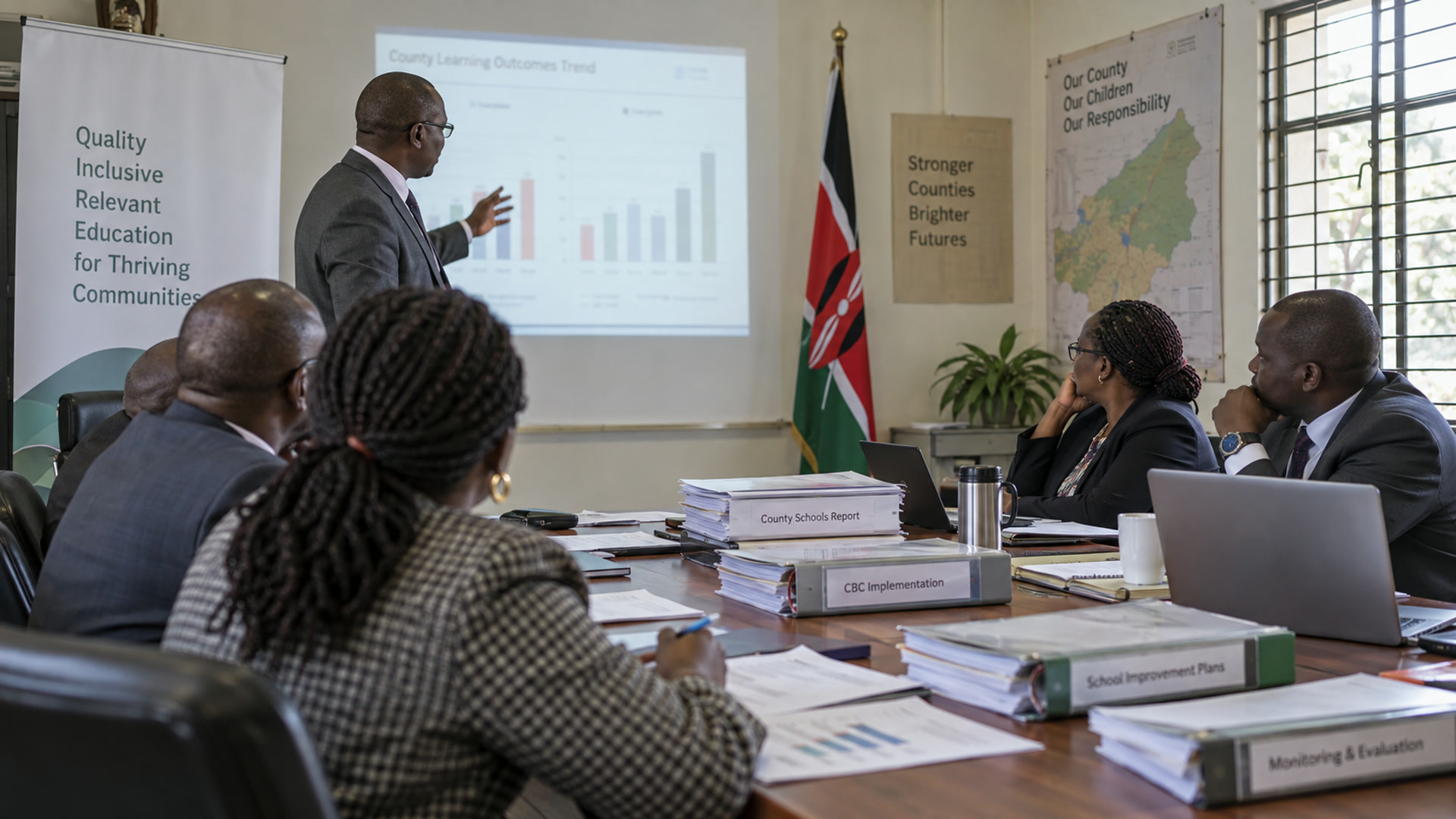
SCOPE is a distinct product within the Kurasa Civic ecosystem. It is designed to transform large assessment datasets into a clear picture of learner mastery and education performance at school, sub-county and county levels.
When schools submit learner-level results from a common assessment, the same evidence can inform school reports and a wider jurisdiction view. Government teams can see where learners are struggling, which subjects need attention and where further investigation or support should be prioritised.
At school level
Give a headteacher a performance diagnosis: how learners performed, the distribution across mastery levels, stronger subjects and learning areas needing attention. Compare the school with its sub-county and county, and with available national reference data where the assessments are comparable.
Across the jurisdiction
Aggregate the same assessment records from schools to zones, sub-counties and counties. Compare participating areas, then drill into the schools, subjects and performance indicators contributing to a pattern. The reporting hierarchy follows the authority’s actual administrative structure.
Across assessment cycles
Build a longitudinal view as repeated assessments accumulate. Review where performance is improving, remaining stable or declining, and return to the evidence after an intervention. Comparable learner groups, assessment coverage and reporting periods give those changes their context.
- Diagnose · Identify a common learning gap in assessment evidence.
- Target · Investigate the schools, subjects and teaching needs behind the pattern.
- Support · Plan a focused professional-development or school-support intervention.
- Measure · Review learner performance in a subsequent assessment cycle.
- Refine · Use the findings to adjust support and the next review.
See the learning gaps
Look beyond a single score to the distribution of learners across mastery or performance levels. Review subjects and available competency indicators to understand where support may be useful. A school’s results sit alongside the wider jurisdiction picture, helping officers distinguish a local concern from a pattern shared across many schools.
Follow the evidence
Begin with a county-wide view, compare sub-counties and explore the schools contributing to a difference. For example, a hypothetical county assessment might show stable Mathematics results overall while several sub-counties have more learners in lower mastery categories. That pattern gives officers a starting point for investigation.
Target teacher support
Repeated learning gaps across schools can inform professional-development priorities. Education teams can investigate the relevant teaching needs, identify schools or teachers requiring support, plan an intervention and review subsequent assessment evidence. This connects teacher development to demonstrated learning needs and gives the next assessment a clear follow-up question.
A pattern is the beginning of an investigation
Assessment scores alone cannot establish whether a gap relates to teaching practice, resources, attendance or assessment implementation. SCOPE identifies the pattern and where deeper investigation may be valuable. Education professionals use the underlying evidence and local context to decide what action is appropriate.
Part of the wider Kurasa Civic picture
SCOPE provides the lens into learner outcomes. KISEL provides the lens into institutions, licensing and quality assurance. Within Kurasa Civic, these dimensions can progressively inform a fuller understanding of education quality, helping authorised teams connect outcomes with institutional context, investigation, support and measurement.
Related
Kurasa Civic
Education intelligence for governments, with SCOPE for learning outcomes and KISEL for institutional oversight.
Explore
Learning assessment
Coverage and learning insights across a system.
Explore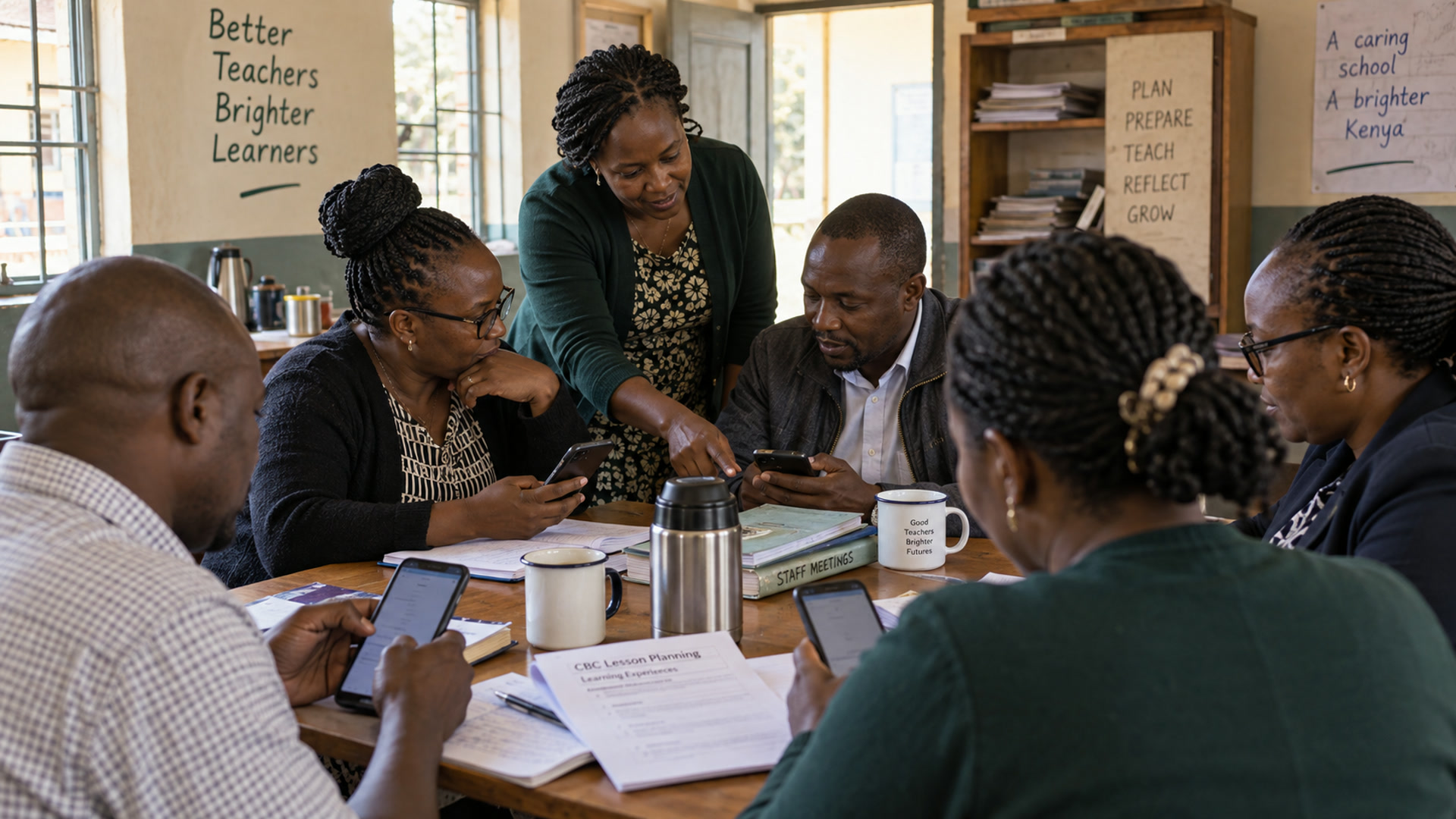
Teacher enablement
Professional learning and adoption.
Explore
School oversight
Standards, inspection and licensing.
Explore