Work together to make education tools useful
Kurasa works with organizations that understand local systems and can support implementation.

Partner around a defined need
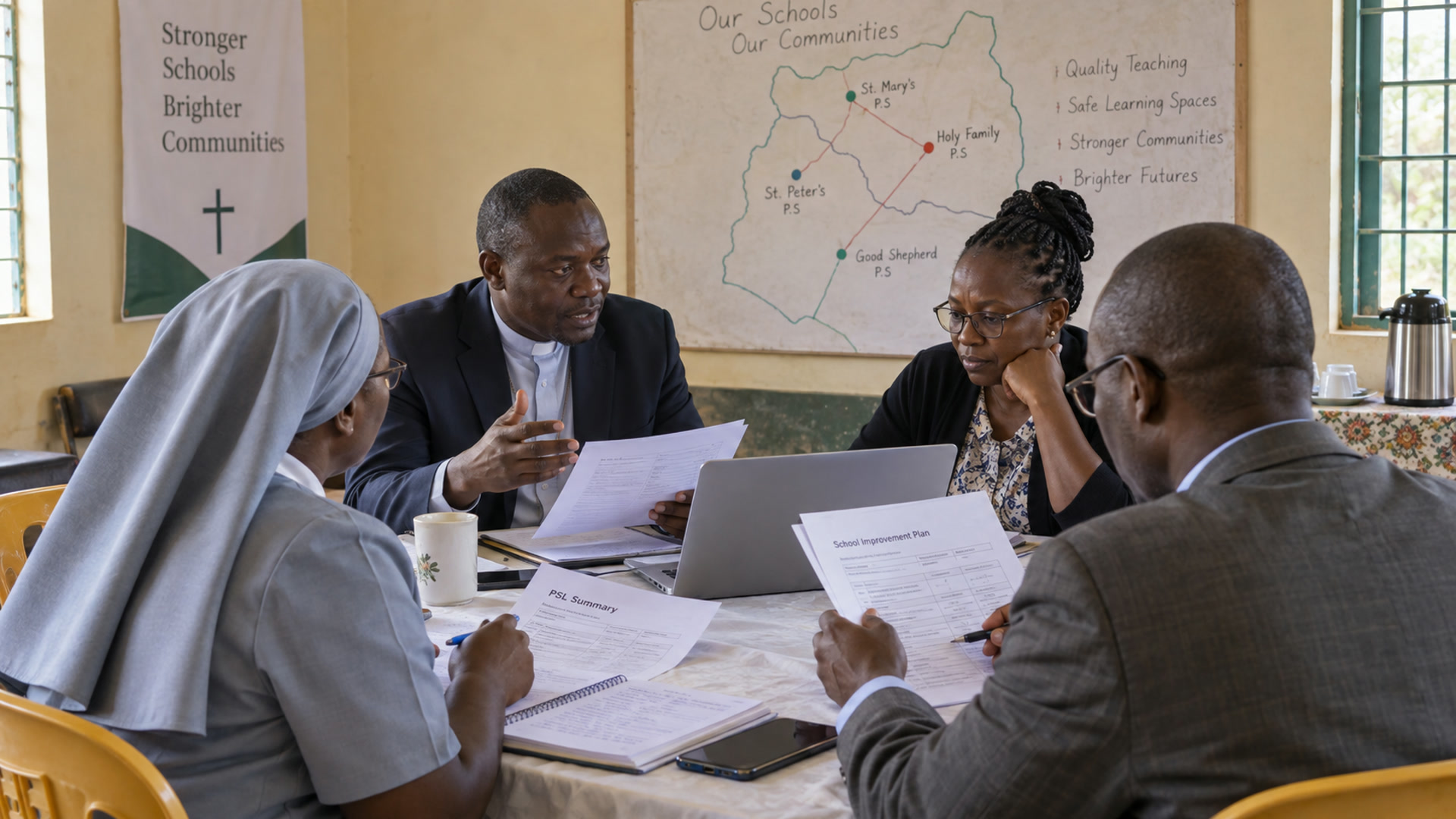
Start with the education need and the contribution each organization can make. Possible conversations include implementation, professional learning, research and institutional delivery. Describe the audience and context so the team can assess a practical collaboration rather than assuming a general partnership covers every product or country.
Agree on roles
Set out delivery responsibilities, support contacts, access to information and how evidence may be used. Agree any public references, logos, quotes or case studies separately from the delivery arrangement. A clear scope helps each organization understand both the work and the permissions required to describe it.
Start with a practical scope
Choose a first audience, delivery period and a manageable set of activities. Define how progress will be reviewed, what evidence is needed and who can approve the next stage. Bring those details to Kurasa when discussing a proposed partnership or implementation.
Bring a specific contribution
Partnership conversations are most useful when they identify a clear audience and delivery need. Tell us whether your organization contributes local implementation, educator learning, research, content or access to a school network. Explain the outcome you want to support and the practical capacity available for the work.