Teacher resource
Play in CBC is a task with a competency, not a celebration day
Play gives young learners opportunities to sort, count, tell stories and share. Choose an activity with a clear learning focus, observe how children participate and use a short note to prepare the next opportunity.
Practical teaching guide, updated September 2026. Use the examples to discuss lesson preparation, classroom observations and follow-up with your teaching team.
The pedagogy, without the banner
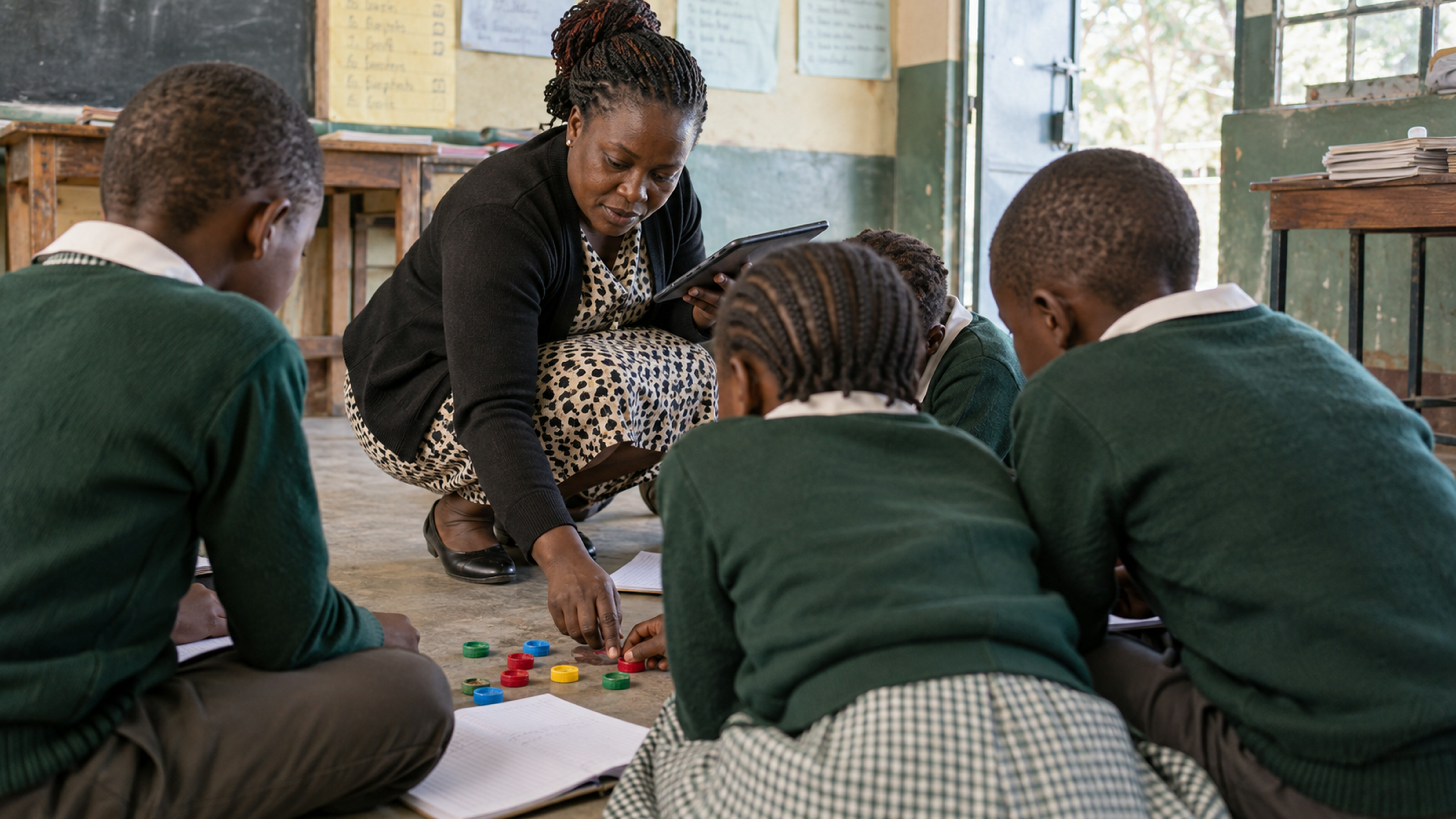
A game with a rule the learner can say. Materials the school already has — bottle tops, string, a yard. Talk that is part of the task, not a lecture after it. Observation against a strand, not a party. Older grades can still use a game when it earns the period. They should not fake “play-based” to decorate a note.
Evidence
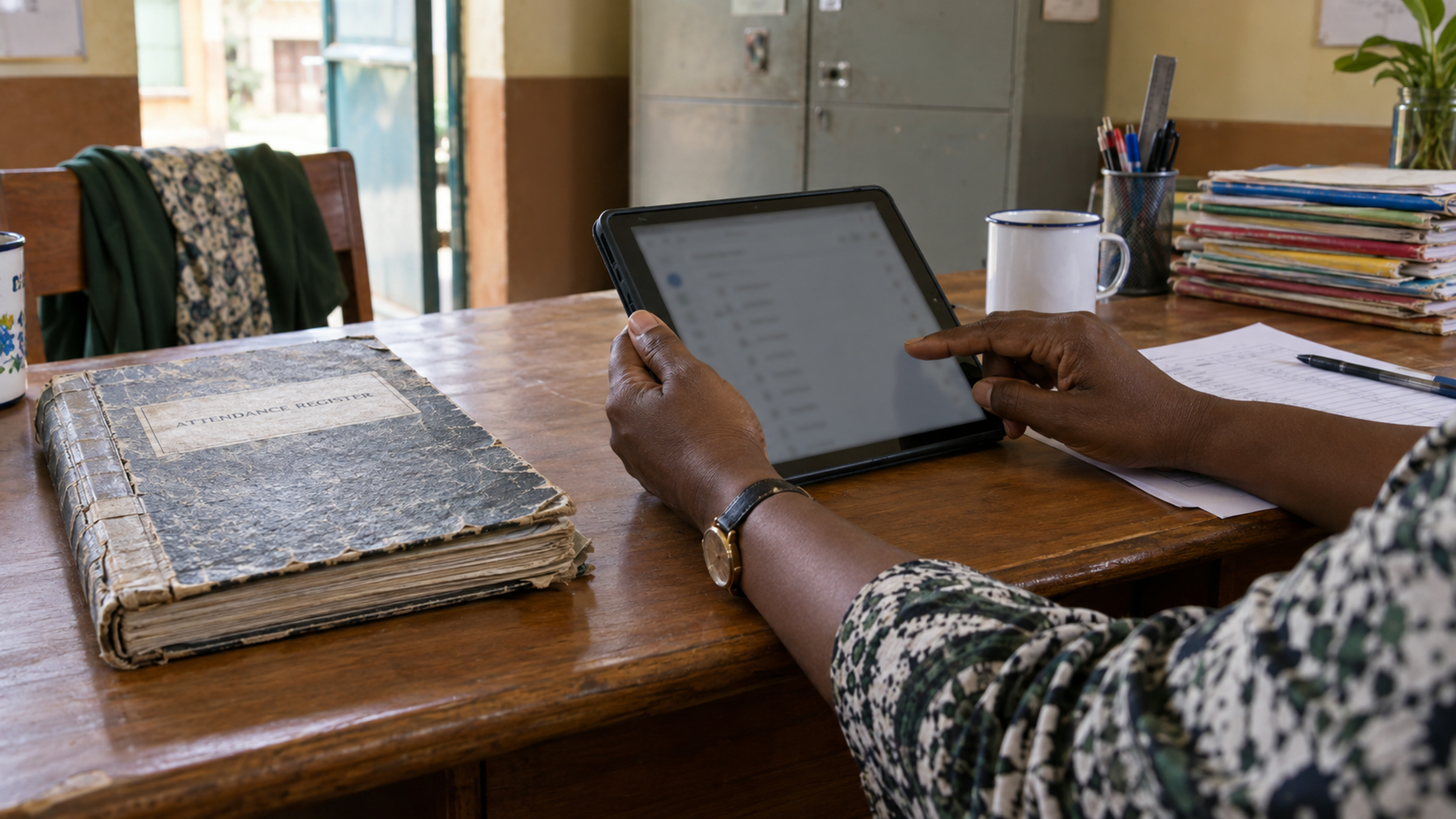
Formative assessment in the early years is often a note, not a quiz. Workspace can hold that note against an indicator. It does not replace the mat. Foundational literacy and numeracy are why the game exists — the floor, not a gadget list.
Planning the next classroom step
Choose play activities around the learning focus and the materials available. Make space for children to explain, collaborate and try again, and keep a short observation to guide the next lesson.
Topics Teacher resources
Tags CBC Kenya · Formative assessment · Lesson planning
On the mat
If you cannot name the competency, it was only a game.
Formative assessment for the note. The CBC guide for the week. Foundational literacy for the floor.