
60 Decibels
Quality of life, in teachers’ words: time, literacy, less paper
Quality of life is a blunt survey question. The useful part is what teachers volunteered next, in their own words, which 60 Decibels then coded.
60 Decibels Lean Data Study, Kurasa Kenya, April 2024. Phone interviews with 208 teachers in Kenya, March 2024, in English and Kiswahili. Client population 991; response rate 52%; 95% confidence; margin of error ±5%. Sponsored by Acumen. Findings are teacher-reported and describe this sample and period.
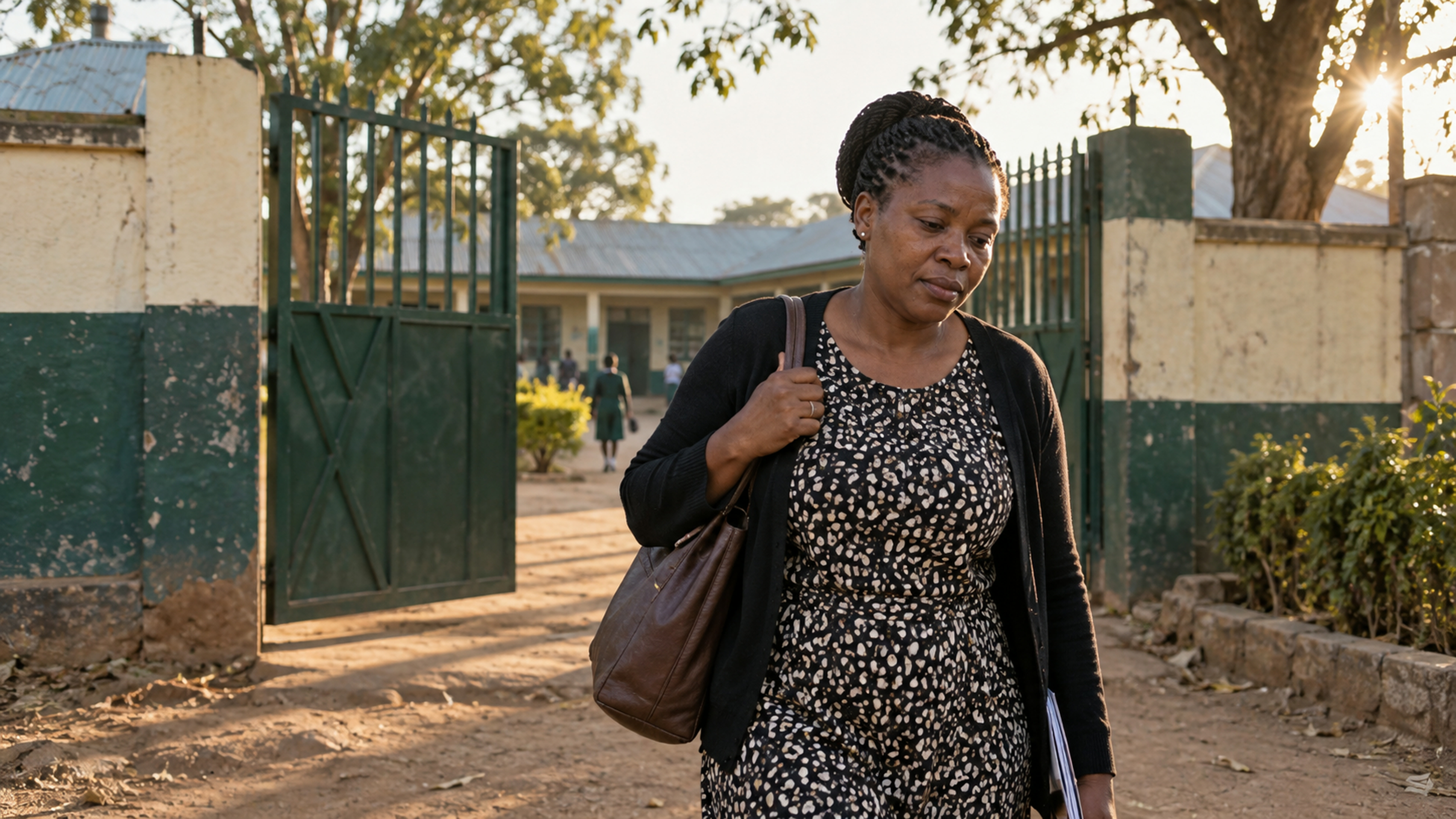
73% said quality of life had very much improved — top 20% of the education benchmark
Ninety-four percent said quality of life had improved because of Kurasa. Seventy-three percent said very much — a top-20% result against the 60 Decibels education benchmark. Female teachers were more likely to choose “very much” (78%) than male teachers (67%).
The coded outcomes for that 94% were work efficiency (67%), time savings for personal activities (36%), and digital literacy (33%). A 25-year-old man estimated that almost 70% of his work had been simplified, and that the leftover time was his. A 43-year-old woman said lesson planning no longer swallowed the hours she needed for content. A 39-year-old woman said she could now prepare documents professionally.
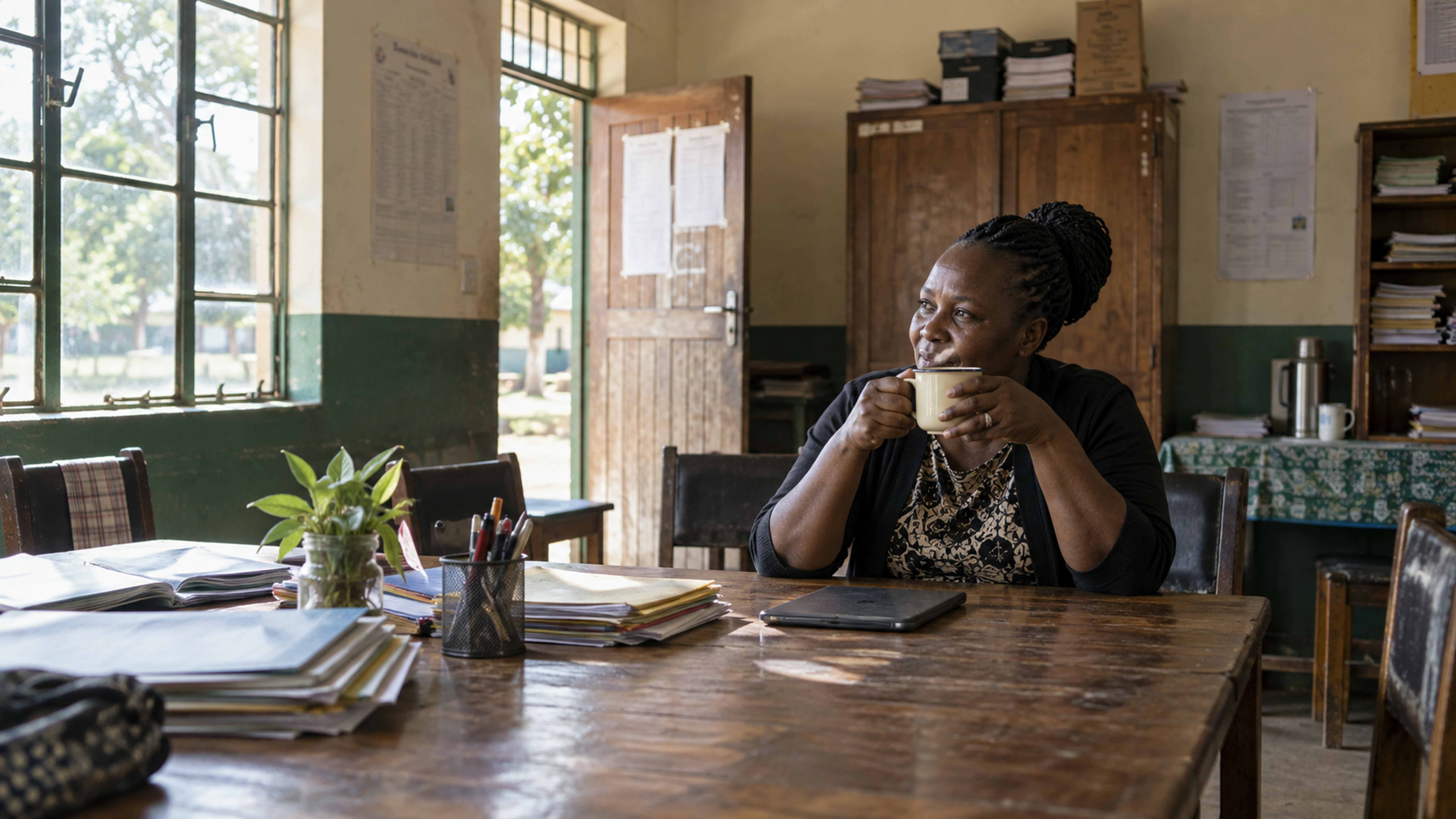
In their words
Kurasa has simplified almost 70% of my work… I get extra time to myself for relaxation.
Male, 25 — 60 Decibels, March 2024
I gained digital skills through interacting with the platform, I am now able to prepare my documents professionally.
Female, 39 — 60 Decibels, March 2024
Topics 60 Decibels · Impact stories
For teachers
The weekday is supposed to be teachable.
Workspace is built for the hours these teachers described getting back.