
Teacher resource
A CBC relationship is knowing who is still emerging — before closing day
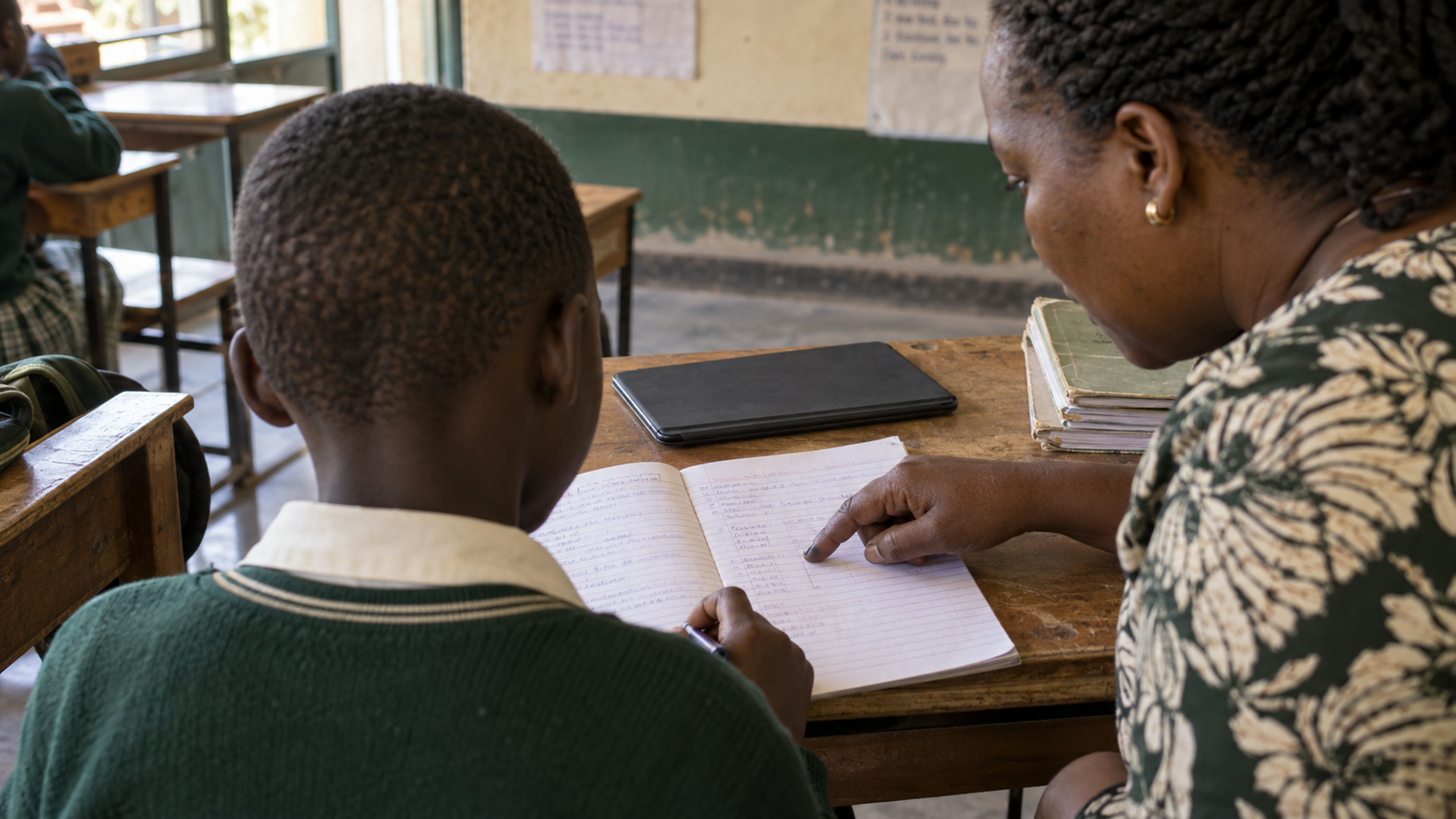
A teacher–learner relationship grows through daily attention: knowing the learner’s name, noticing their work and giving feedback they can act on. Keep families informed through the term so conversations build on a shared record.
Practical teaching guide, updated September 2026. Use the examples to discuss lesson preparation, classroom observations and follow-up with your teaching team.

The weekday version
Use clear assessment criteria, make time for learners who need another example and keep feedback focused on the work. Share useful updates with families and discuss the routine with a colleague when you need support.
Using the guide in your school
Offer more than one way to approach a learning activity, listen to learners’ explanations and follow up consistently. These daily actions give the teacher a basis for planning support and building trust.
The record
Attendance, plans and formative marks make the relationship visible when the officer or the parent asks. Workspace is that page. It does not replace the greeting at the door.
Topics Teacher resources
Tags CBC Kenya · Kenya teachers · Parent engagement
In the room
Know the week. Then you can know the child.
Workspace for the record. Parents for the weekly picture. Mentorship for the colleague.