Teacher resource
Creativity in CBC is a real task, not a story-driven slogan
Choose a task that lets learners make decisions, create something and explain their approach. Plan the materials and assessment criteria, then use observations to prepare feedback and another opportunity to revise the work.
Practical teaching guide, updated September 2026. Use the examples to discuss lesson preparation, classroom observations and follow-up with your teaching team.
Examples that still fit a period
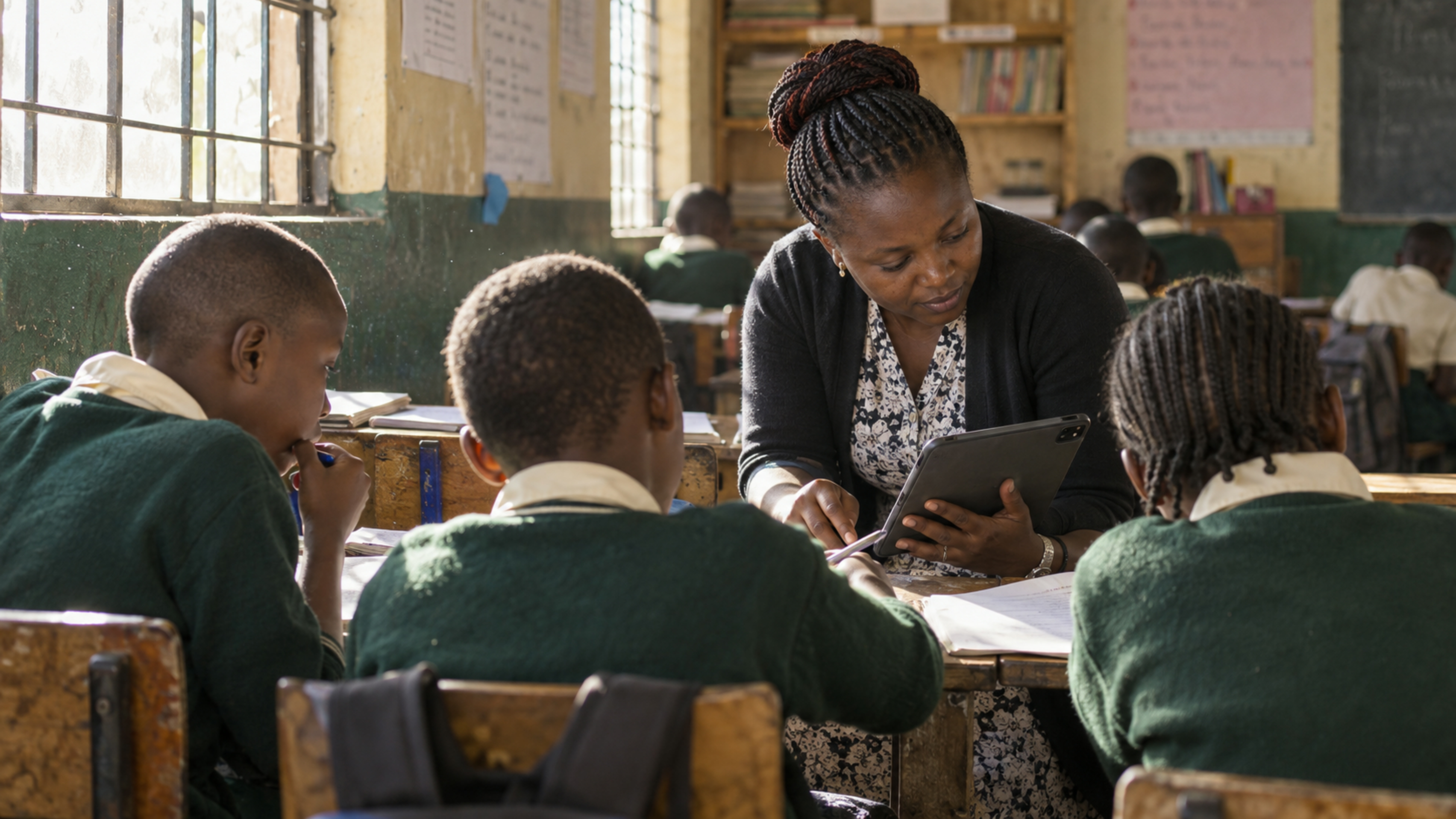
In Grade 4, learners might make a measuring tool from scrap and check it against a known length. In Grade 7, they might design a response to a local water, market or school-garden problem. Use a rubric to observe their method, decisions and explanation, then plan further practice.
Assess it
A creative task without a formative check becomes decoration. Close the evidence while the work is on the desk. Critical thinking is the question inside the brief. Play is the early-years version of the same idea.
Planning the next classroom step
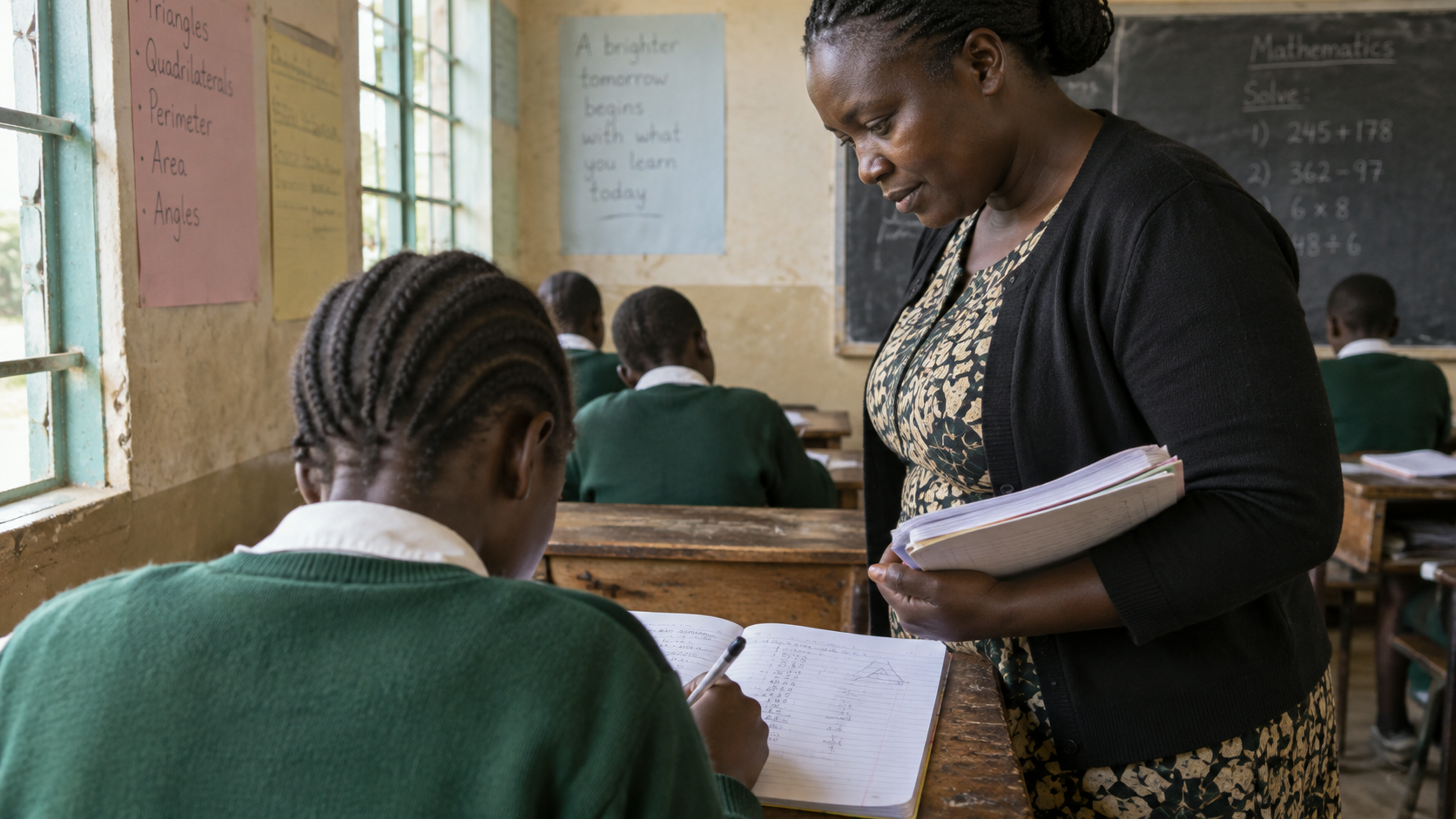
Give learners a concrete task and criteria for reviewing their choices. Make time for them to explain, revise and share their work, then use the observations to prepare the next activity.
Topics Teacher resources
Tags CBC Kenya · Formative assessment · Lesson planning
The brief
If it cannot be made in this room, it is not this week’s creativity.
Lesson planning for the task. Formative assessment for the check. Critical thinking for the question.