
60 Decibels
Digital confidence and CBC delivery, reported by the same 208 teachers
The confidence questions sat next to digital-tool questions on purpose. Teachers were not asked if they “liked EdTech.” They were asked whether their ability to do the job had changed.
60 Decibels Lean Data Study, Kurasa Kenya, April 2024. Phone interviews with 208 teachers in Kenya, March 2024, in English and Kiswahili. Client population 991; response rate 52%; 95% confidence; margin of error ±5%. Sponsored by Acumen. Findings are teacher-reported and describe this sample and period.

98% said their ability to use digital tools for teaching increased
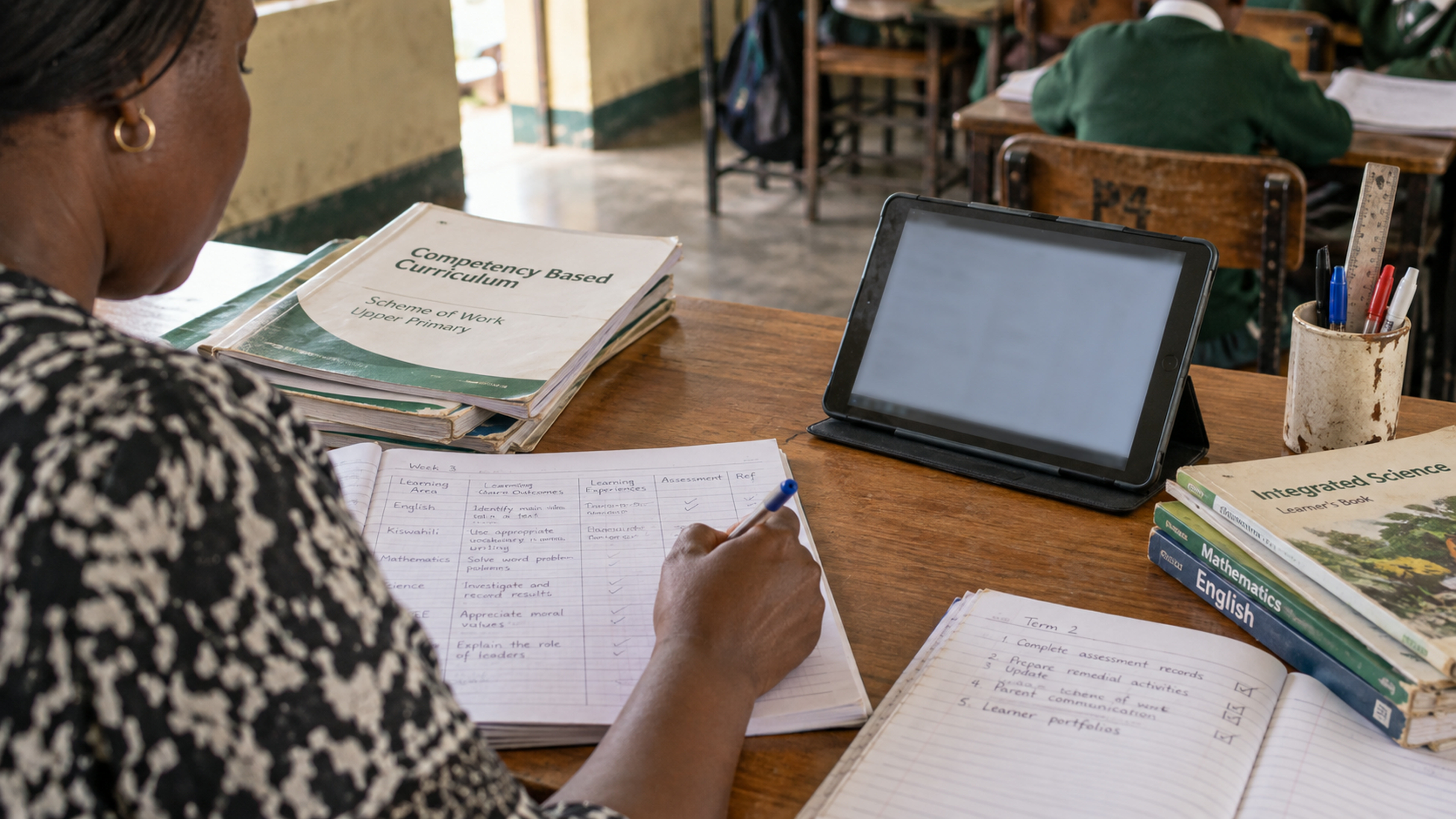
Ninety-four percent said confidence in themselves and their abilities had increased; 83% said very much. Ninety-eight percent said their ability to use digital tools that benefit teaching had increased. When 60 Decibels asked about understanding and ability more broadly, most highlighted a significant increase in ability to teach the CBC curriculum.
In the interview, a P1 teacher remembers hearing “IT is here to stay” during Form 4 and feeling hesitant in computer lessons. She describes daily practice on the platform as part of building her confidence. The study uses a pseudonym to protect her identity.
In their words
Through Kurasa allowing me to interact with devices daily, my digital literacy has greatly improved. I am happy to pronounce the slogan now because I am confident in the way I work on digital devices.
P1 teacher, interviewed for the 60 Decibels human story — name changed
Topics 60 Decibels · Teacher resources
Tags CBC Kenya · Digital literacy · Kenya teachers
CBC on the page
Plans and assessments in the language of the curriculum.
Workspace holds lesson planning, formative work and the CBC record in one weekday.