Ruka hadi maudhui
Anza

Teacher resource

Diverse learners in CBC: one period, more than one way in — not three classrooms

CBC asks for inclusion. A period still has one adult and forty desks. The March 2024 guide listed learning styles as if each child needed a personal curriculum. The useful version is shorter: more than one way into the same competency, and a check that can see who is still emerging.

Teacher resource, rewritten from the mykurasa.com guide for this site in September 2026. It is not a 60 Decibels percentage. Where a 60dB piece already covers the same weekday job, that piece is a see-also — the figures stay on that ledger.

A teacher marks a small group against indicators on a tablet.

What you can actually run

The same objective, spoken, written and handled. A group that needs the bottle tops while another writes. Extra time for the learner who is still emerging — not a second syllabus. A formative moment that is not only a test. Play when the early years need a mat. None of that requires a learning-styles quiz from a magazine.

What we cut

The “interactive blog” wrapper. A promise that every style will be honoured in every lesson. Visual-auditory-kinesthetic as a science. Special needs that need a named support plan belong with the school’s SNE file, not a generic paragraph here.

The page

A CBC lesson plan that names the stretch and the support is the document. Workspace holds it. The pillar guide is the week. Critical thinking is the question inside the task.
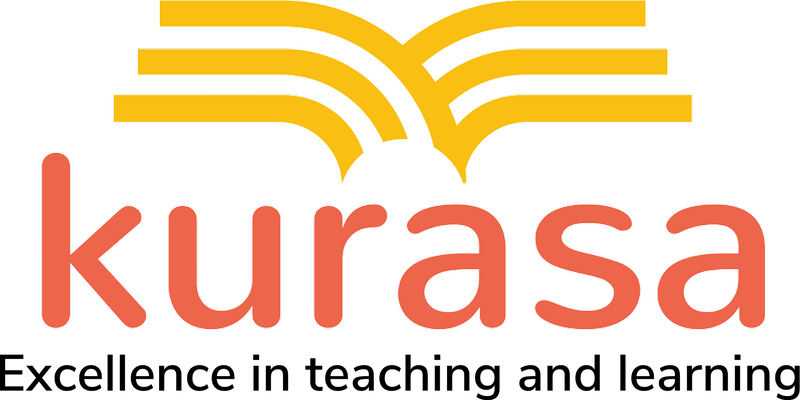
A teacher and one learner at a desk, over-shoulder on the child.
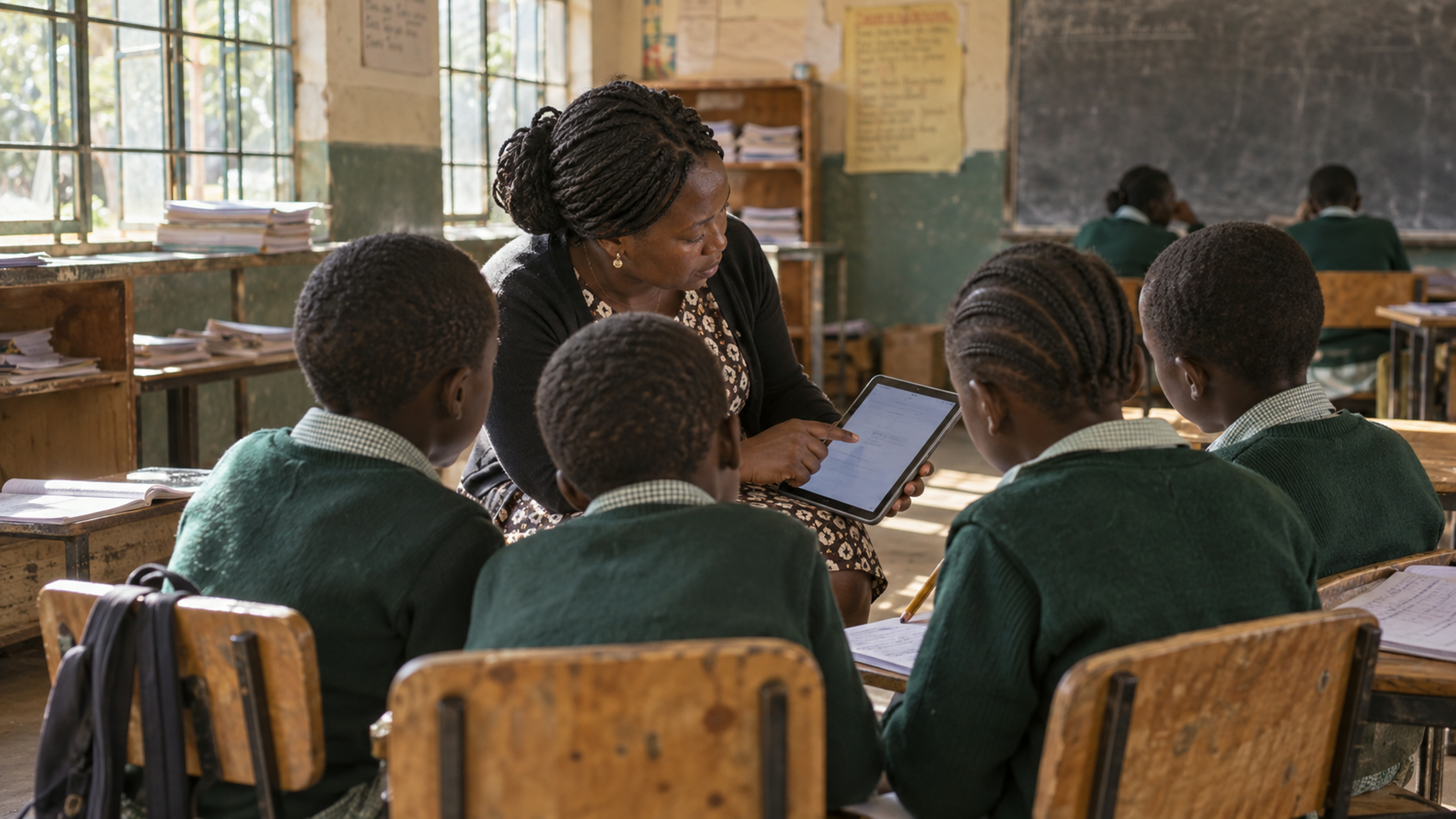
One teacher, a small group, the rest of the class on a task. Differentiation without theatre.

One period

Same competency. More than one door. One adult.

Lesson planning for the page. Formative assessment for the check. The CBC guide for the week.