Ruka hadi maudhui
Anza

Teacher resource

Career readiness in CBC is a pathway conversation, not a transformation story

CBC said competencies should point at work and further study, not only at a terminal exam. The March 2024 original turned that into “a story of transformation.” This page is the conversation a teacher and a parent can actually have: what the learner does well, which pathway offers it, which school has the track.

Teacher resource, rewritten from the mykurasa.com guide for this site in September 2026. It is not a 60 Decibels percentage. Where a 60dB piece already covers the same weekday job, that piece is a see-also — the figures stay on that ledger.

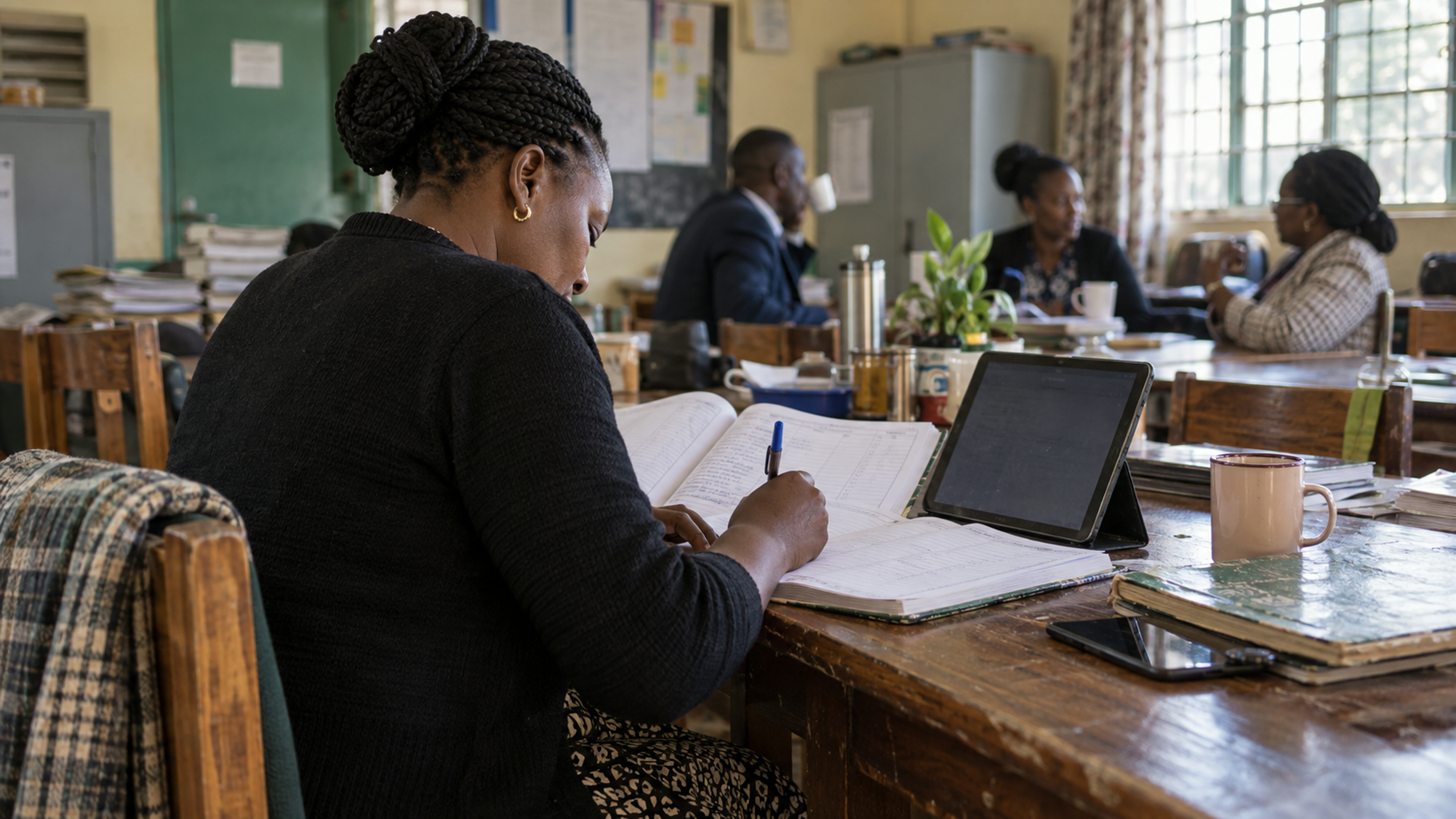
A teacher writes into a CBC scheme of work at a staffroom table.

The order that still works

Interest and evidence first — the year in formative work, not a famous gate. Then the pathway: STEM, Social Sciences, Arts and Sports Science. Then the school that actually offers the subjects. The pathways dest dates the placement rules. This page will not invent a career-aptitude product.

Who has to be in the room

The learner. The parent who has seen the year, not only closing day. A teacher who will not steer a girl out of STEM for prestige reasons, or into it for family pride. The girl-child dest and the maths-optional opinion sit beside that sentence.

Kurasa’s place

Workspace holds the year you talk from. It does not place the child and it does not run the ministry portal. Parents in CBC is the weekly picture. Do not paste 60 Decibels parent-engagement percentages into this how-to.
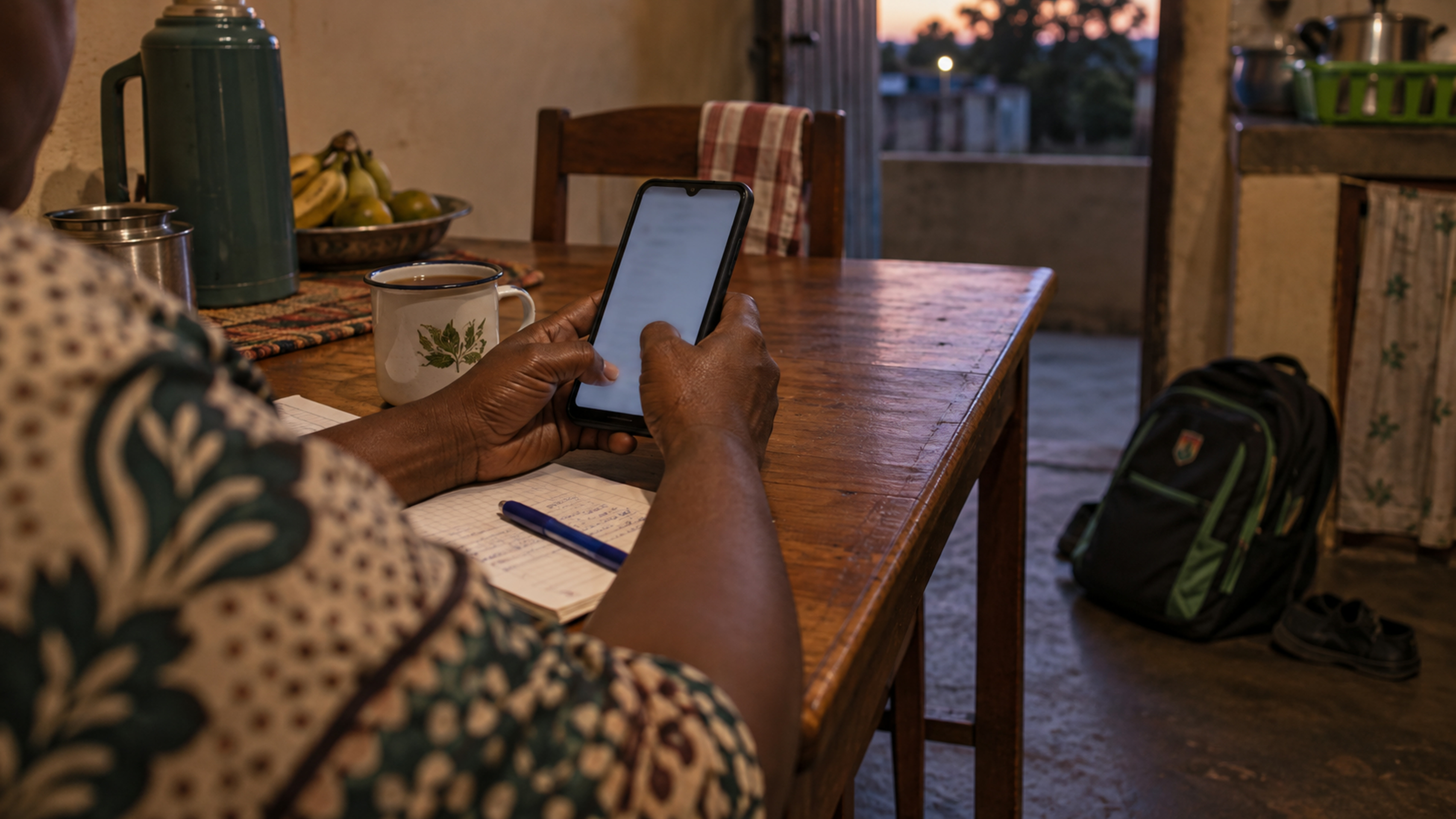
A parent’s hands with a phone beside a cup of tea at dusk.
A parent and a year of evidence. Career talk that waits for closing day is already late.

The conversation

Start from the year. Then name the door.

Pathways for the rules. Parents for the weekly picture. Formative assessment for the evidence.