Ruka hadi maudhui
Anza

Teacher resource

A CBC relationship is knowing who is still emerging — before closing day

CBC’s facilitator language is easy to write and hard to staff. A relationship that matters in the period is ordinary: you know the learner’s name, you have seen this week’s work, you can tell a parent something that is not a surprise. The February 2024 guide ran long. This page keeps those three facts.

Teacher resource, rewritten from the mykurasa.com guide for this site in September 2026. It is not a 60 Decibels percentage. Where a 60dB piece already covers the same weekday job, that piece is a see-also — the figures stay on that ledger.

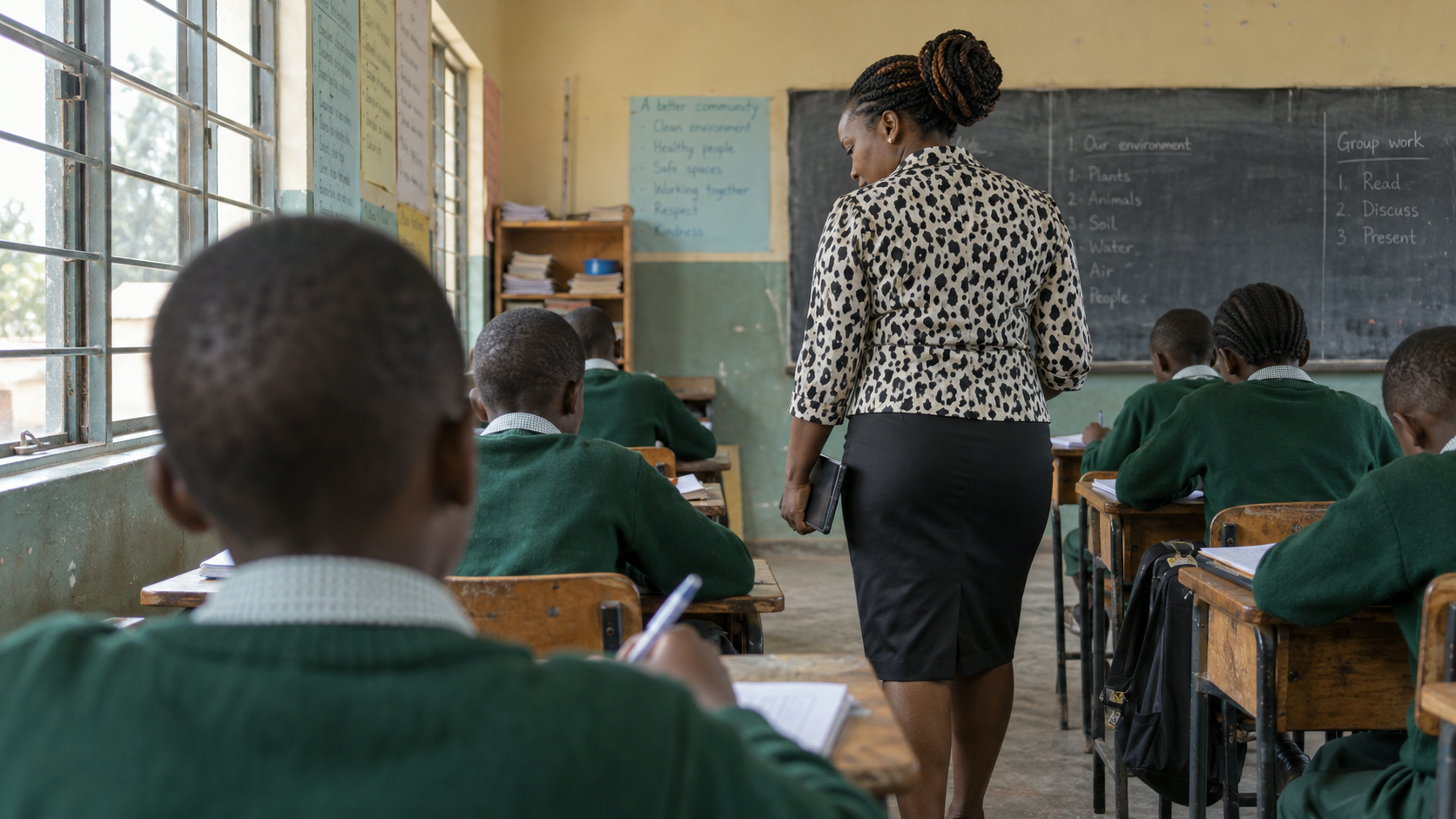
A teacher walking between desks during a lesson, seen from behind the nearest child.

The weekday version

Fairness in the check — the same rubric, not a favourite. Time with the small group that is still grey. Talk that is about the work, not a performance of care. A parent picture that does not wait for closing day. Mentorship is the colleague who helps you hold that week. It is not this dest.

What this is not

A counselling service. A claim that software creates trust. A 60 Decibels participation percentage pasted into a how-to. That study lives next door. Diverse learning styles is how the task flexes. This page is how the adult stays in the room.

The record

Attendance, plans and formative marks make the relationship visible when the officer or the parent asks. Workspace is that page. It does not replace the greeting at the door.

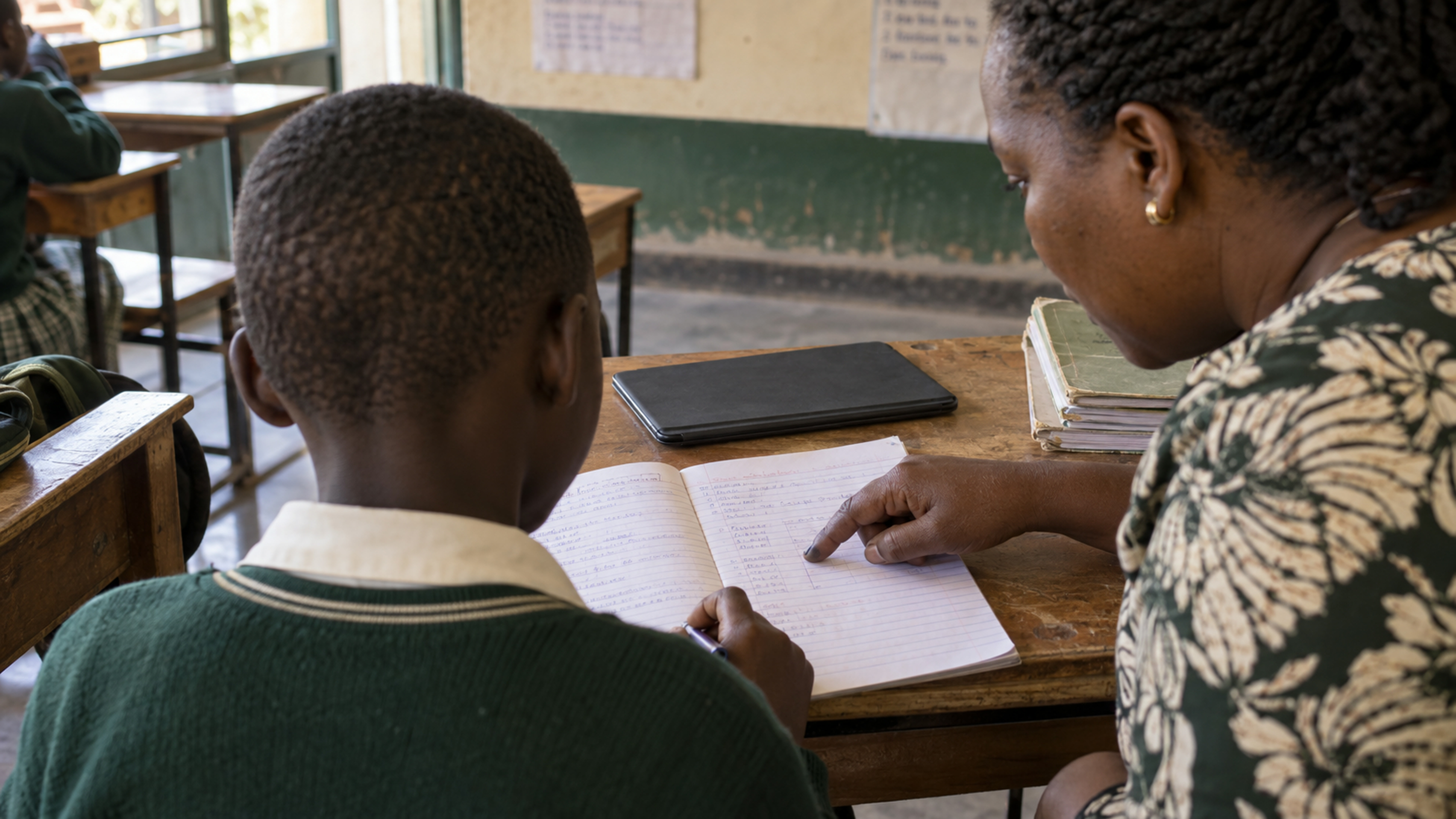
A teacher and one learner at a desk, over-shoulder on the child.
One learner, over-shoulder. A teacher pointing at an exercise book. Quiet, not a hero shot.

In the room

Know the week. Then you can know the child.

Workspace for the record. Parents for the weekly picture. Mentorship for the colleague.