Guides · Education systems
Where classroom data fits alongside an EMIS
National systems hold administrative records. Schools create classroom records every day. Both are needed, and they answer different questions.

An education management information system (EMIS) is the administrative record system a ministry uses to plan and manage education. Kenya’s Ministry of Education has been shifting from the National Education Management Information System (NEMIS) to the Kenya Education Management Information System (KEMIS); check the Ministry’s current guidance for the status of that transition. Systems like these typically hold registers of schools, learners and teachers and support planning and resource decisions.
Classroom records are different. Lesson plans, attendance, formative checks and termly assessment results are created by teachers as part of the school week. They show what is being taught and how learners are progressing, but they are not a substitute for an administrative register.
What each kind of record answers
- Administrative registers: how many schools, learners and teachers are there, and where?
- Classroom records: what was taught, who attended and what did learners show they can do?
- Assessment results: where are learners strong, and where do they need support?
What to agree before connecting systems
- Which system is the source of truth for each record.
- How learners, teachers and schools are matched across systems.
- How corrections made in one system reach the other.
- Who may see learner-level data and who sees only aggregates.
- The legal basis, consent, retention and storage location under the applicable data-protection law, such as Kenya’s Data Protection Act, 2019.
Start with one use case
Pick one decision, such as which schools need support in a subject before an assessment. List the records the decision needs, who owns them and how often they update. Build the first report around that decision, then review whether it was used.
Kurasa’s approach
Kurasa Civic is designed to turn assessment and institutional records into dashboards at the administrative level an officer is responsible for. Any connection to a national system is scoped with the authority, because it depends on that system’s rules and the authority’s requirements. Ask for current information on integrations for your setting.
Related reading
Read how Kurasa approaches system data, and how SCOPE and KISEL supply learning-outcome and institutional views within Kurasa Civic.
Related
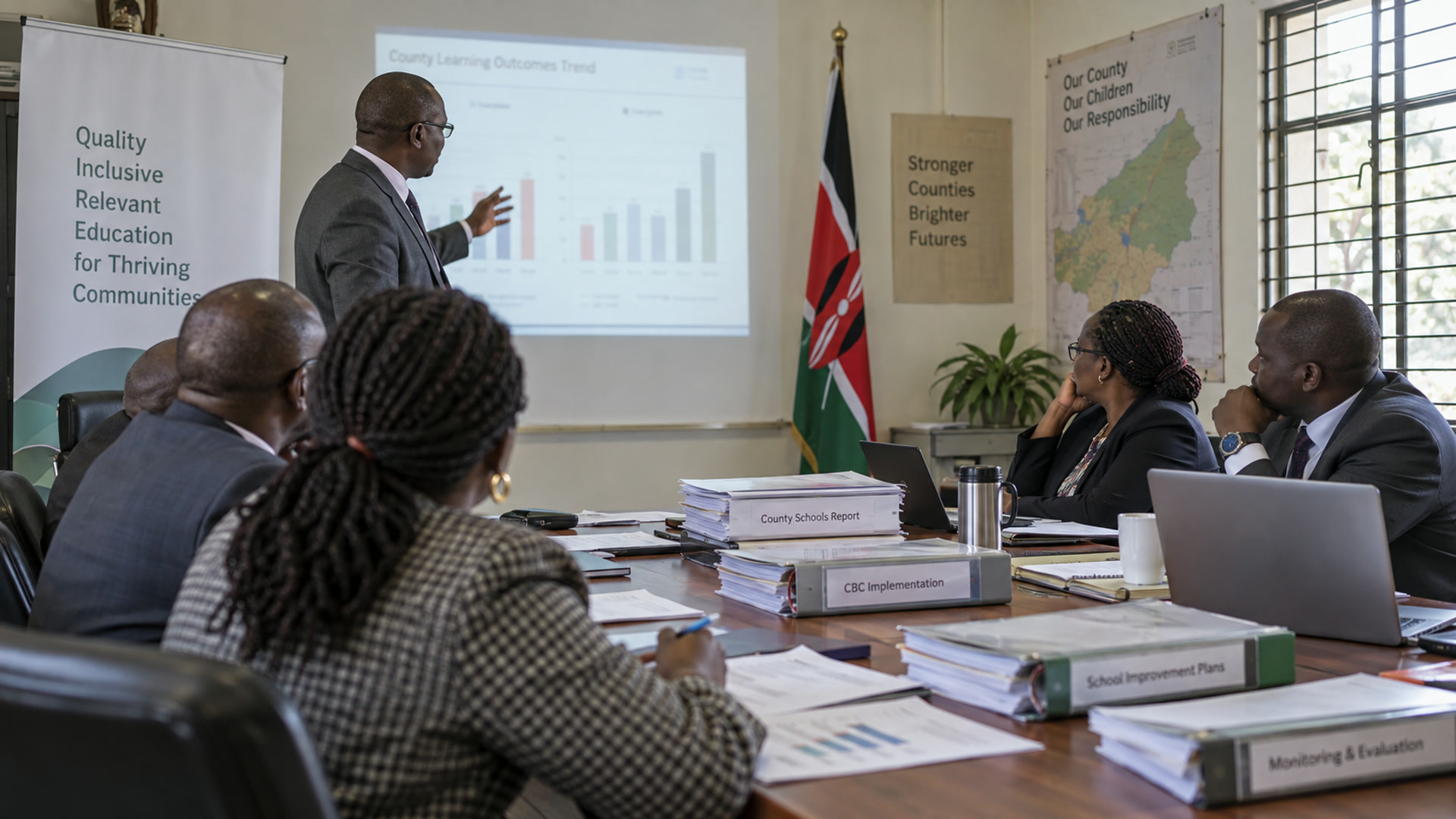
System data
Dashboards, reporting and governance.
Explore
SCOPE
Assessment and learning-outcomes intelligence within Kurasa Civic: learner mastery, jurisdiction comparisons and progress over time.
Explore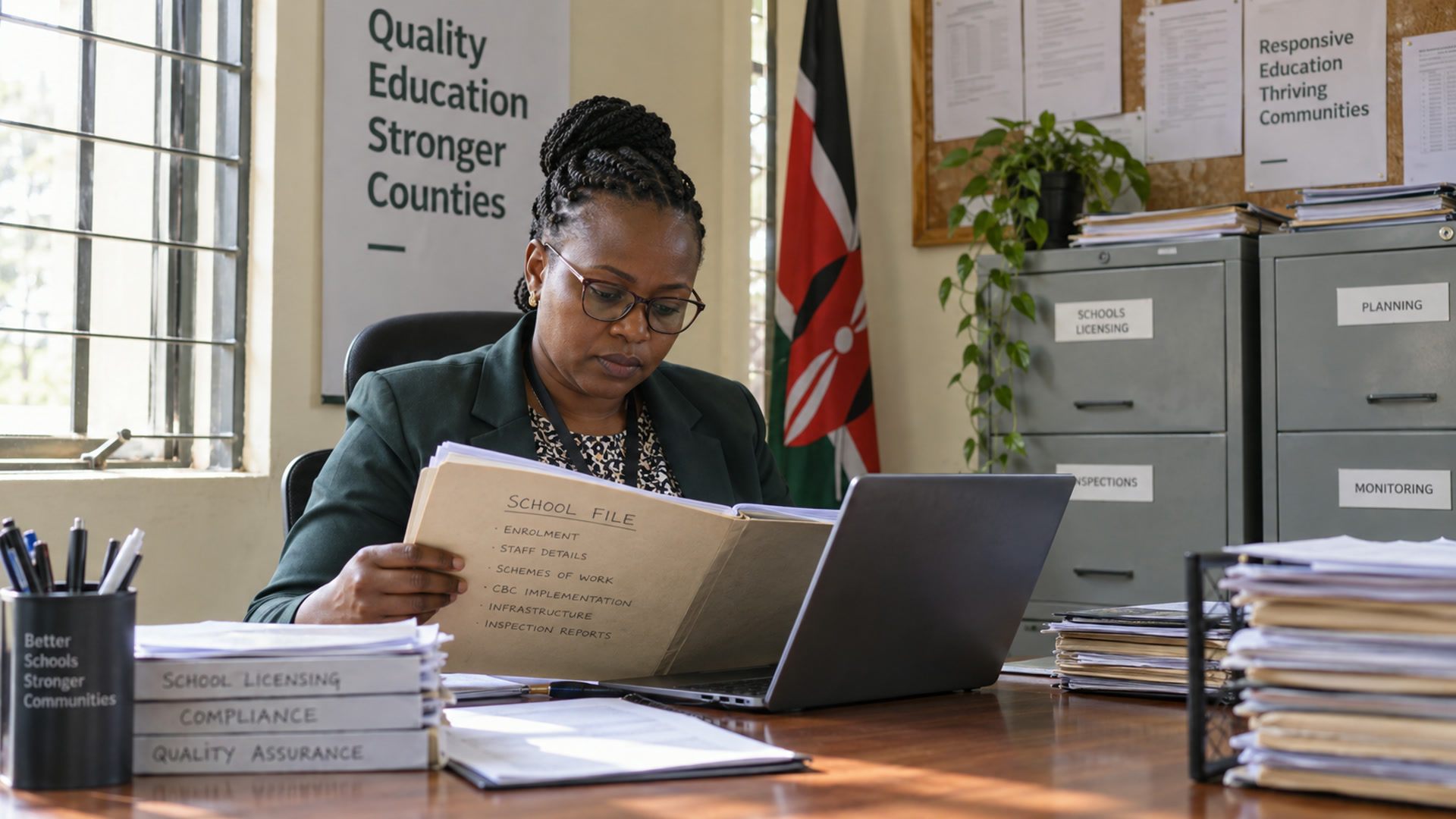
School oversight
Standards, inspection and licensing.
Explore
Kurasa Civic
Education intelligence for governments, with SCOPE for learning outcomes and KISEL for institutional oversight.
Explore