Skip to content

Teacher resource

Teacher journaling is a page after the period, not a literature review

A journal that helps a teacher is three sentences after the last learner leaves: what the period actually did, who is still emerging on the strand, what tomorrow will try. The June 2025 original buried that under a literature review. This page keeps the page.

Teacher resource, rewritten from the mykurasa.com guide for this site in September 2026. It is not a 60 Decibels percentage. Where a 60dB piece already covers the same weekday job, that piece is a see-also — the figures stay on that ledger.

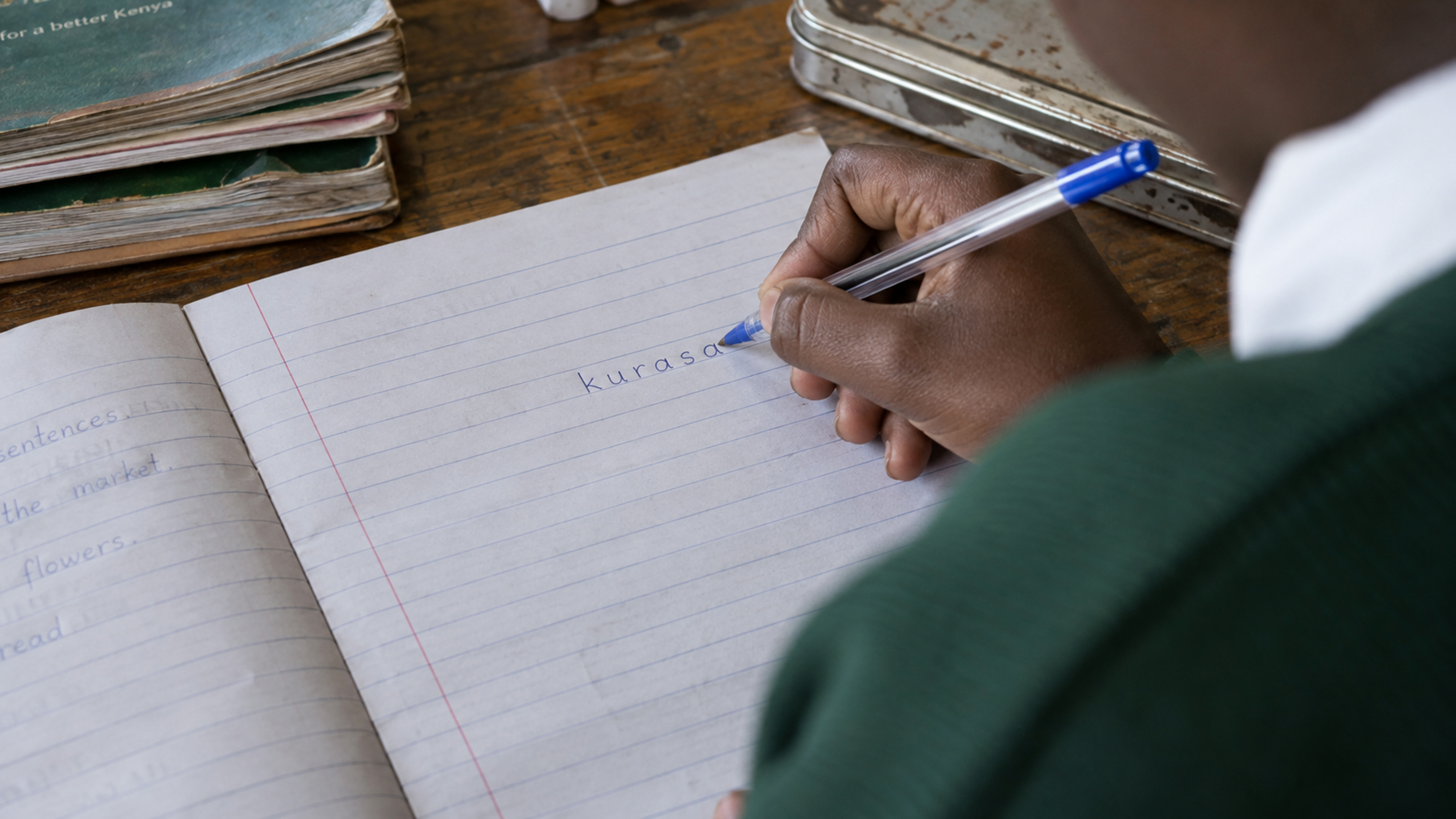
A handwritten exercise-book page with the word kurasa in ordinary handwriting.

What to write

The competency you meant. The check you closed — or did not. One learner or group still grey. One change small enough to run on Monday. Date the entry. A week of those pages is more useful than a seminar on “pedagogical mindfulness.”

What this is not

It is not a Kurasa product feature and not a therapy session. It is not a 60 Decibels finding. Quality of life and digital confidence live on their own posts. Do not paste those percentages into a how-to about a notebook.

Beside the scheme

If the week already lives in Workspace — plan, register, formative marks — the journal is the private margin. Lesson planning is the public page. Mentorship is when someone else reads the margin with you.

Over-shoulder of a teacher ticking attendance on a tablet.
A notebook beside a closed tablet. The useful page is short and dated.

After the period

Write it while the lesson is still warm.

The scheme is the week. The notebook is the next try. Workspace holds the evidence both of them need.