New
PSL Daily Challenge
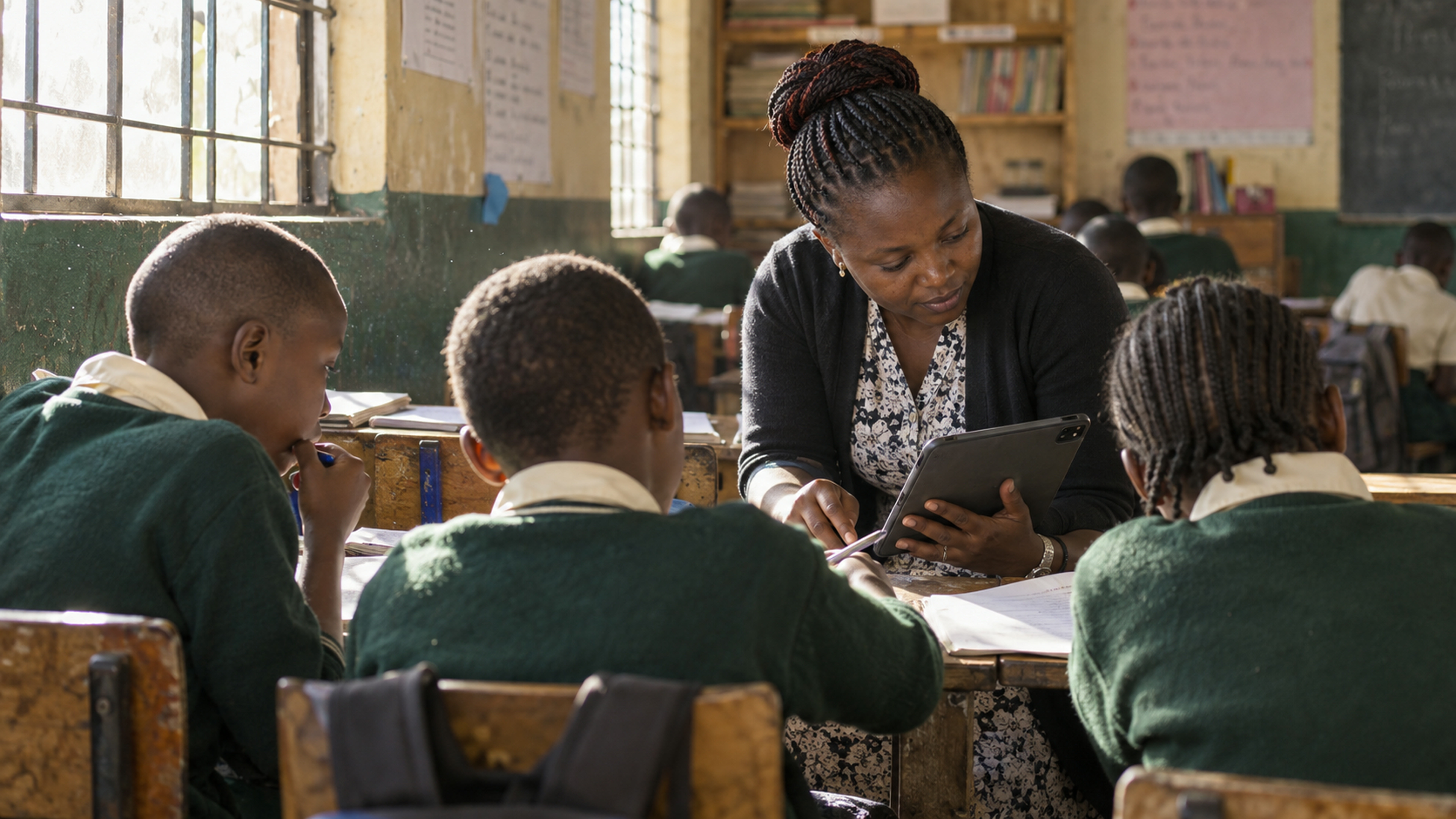
After school, eight minutes a day. Teachers recommend it as a homework alternative — five questions, not another booklet.
A learner answers 5 questions each day. How many questions in 7 days?
Everything you need to teach, assess and manage.
For stronger learners, schools and communities.
New
After school, eight minutes a day. Teachers recommend it as a homework alternative — five questions, not another booklet.
A learner answers 5 questions each day. How many questions in 7 days?
Teacher resource
CBC listed creativity as a competency. The March 2024 original wrapped it in “a story-driven approach.” A classroom does not need a story about innovation. It needs a task that is not a copied definition, and a way to see whether the making worked.
Teacher resource, rewritten from the mykurasa.com guide for this site in September 2026. It is not a 60 Decibels percentage. Where a 60dB piece already covers the same weekday job, that piece is a see-also — the figures stay on that ledger.
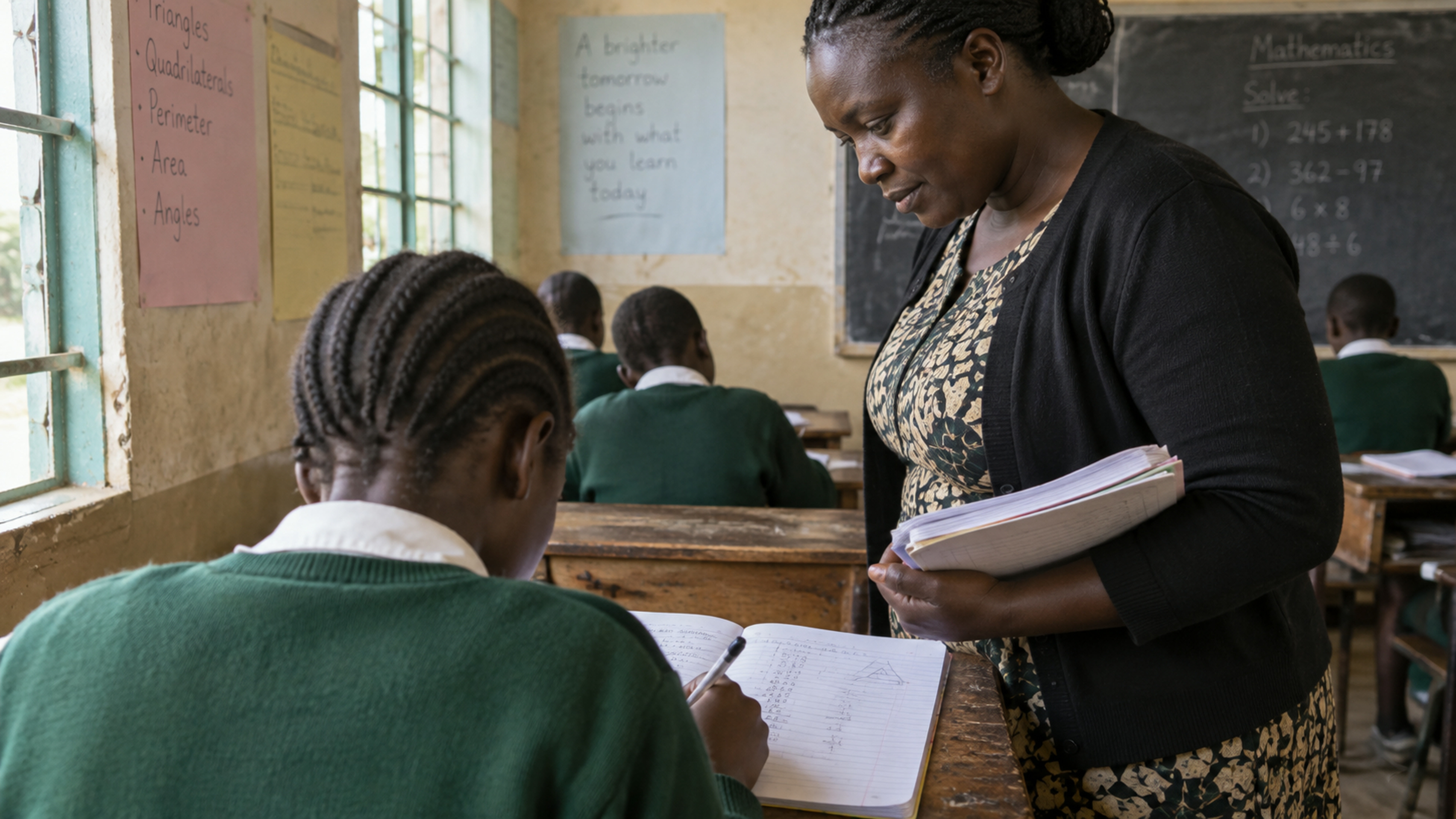
Grade 4: a measuring tool from scrap, then a check against a real length. Grade 7: a local problem written as a short design brief — water, a market stall, a school garden — with a rubric for the method, not only the poster. Arts track: a piece that has to be performed or shown, not only described. If the school has no lab, the shared-bench dest is the constraint, not a reason to skip making.
A creative task without a formative check becomes decoration. Close the evidence while the work is on the desk. Critical thinking is the question inside the brief. Play is the early-years version of the same idea.
The conversion narrative. “Fostering innovation” as a heading with no task under it. A claim that Kurasa supplies creativity. Daily Challenge items can be curious. They are not an arts programme.

Topics Teacher resources
Tags CBC Kenya · Formative assessment · Lesson planning
The brief
Lesson planning for the task. Formative assessment for the check. Critical thinking for the question.