Skip to content

Teacher resource

Junior-school science still needs a bench. Sharing a lab is a timetable, not an app

Junior Secondary School asked Kenyan classrooms for science they can do, not only define. Many JSS sites sit on a primary compound without a laboratory. The June 2024 note said the ordinary answer out loud: share a bench with a neighbour, on a timetable both heads will keep.

Teacher resource, rewritten from the mykurasa.com guide for this site in September 2026. It is not a 60 Decibels percentage. Where a 60dB piece already covers the same weekday job, that piece is a see-also — the figures stay on that ledger.

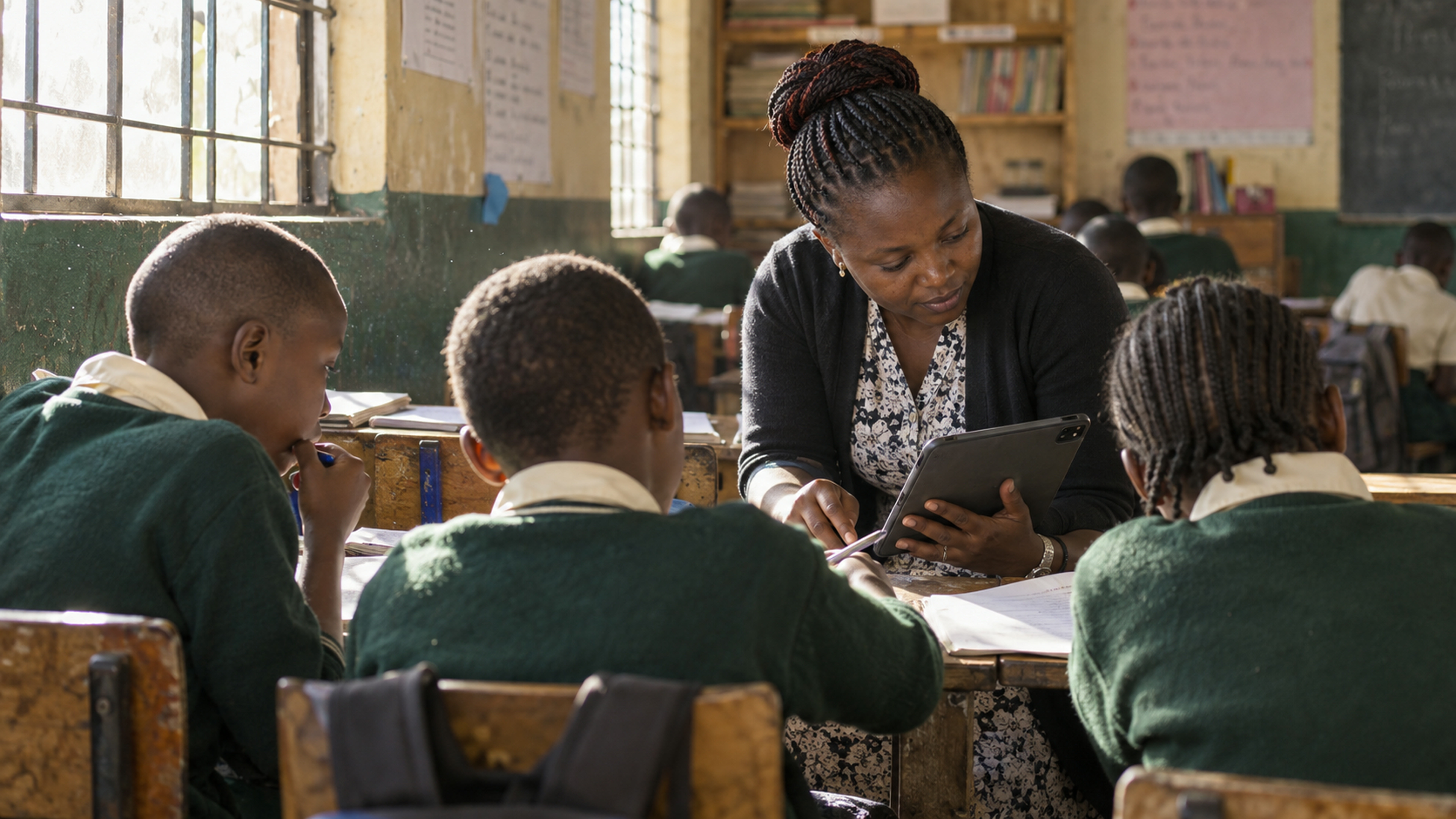
A teacher glances at a tablet while learners work in a small group.

The practice, shortened

A host school with a lab. A visiting class with a scheme that names the practical. Transport and supervision that are not an afterthought. A slot that does not collide with the host’s own science. Equipment that is counted back in. None of that is software.

Where the page helps

The lesson plan has to exist before the walk. Formative evidence — did the method hold, not only the write-up — should close while the coats are still on. Workspace can hold that week. It cannot invent a fume cupboard.

What we will not claim

We will not write that Kurasa “enhances science education” by existing. We will not name a shared lab we have not been cleared to name. Foundational numeracy is the floor under the practical, on its own dest.

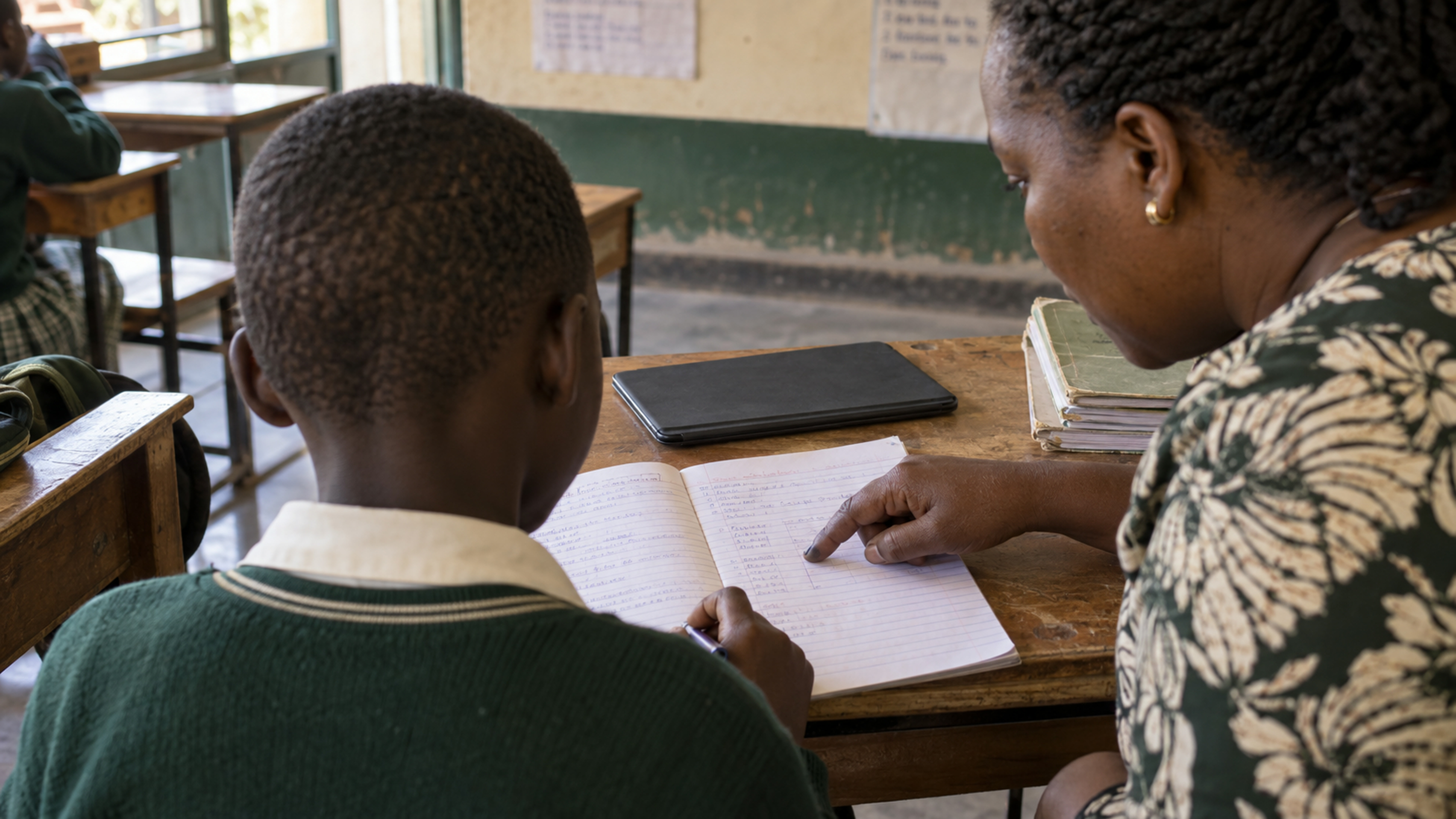
A teacher and one learner at a desk, over-shoulder on the child.
A practical, a small group, a teacher watching the method. The bench is the constraint.

The practical

Write the week. Then walk to the bench.

Lesson planning before the visit. Formative assessment after it. Contact if a named sharing arrangement should be written with permission.