The problem with school sales alone
Schools are price-sensitive. Purchasing cycles are long. Decision-making is slow. Teacher adoption needs training. Support burden is high. The unit economics do not work if that is the only channel.
What changed
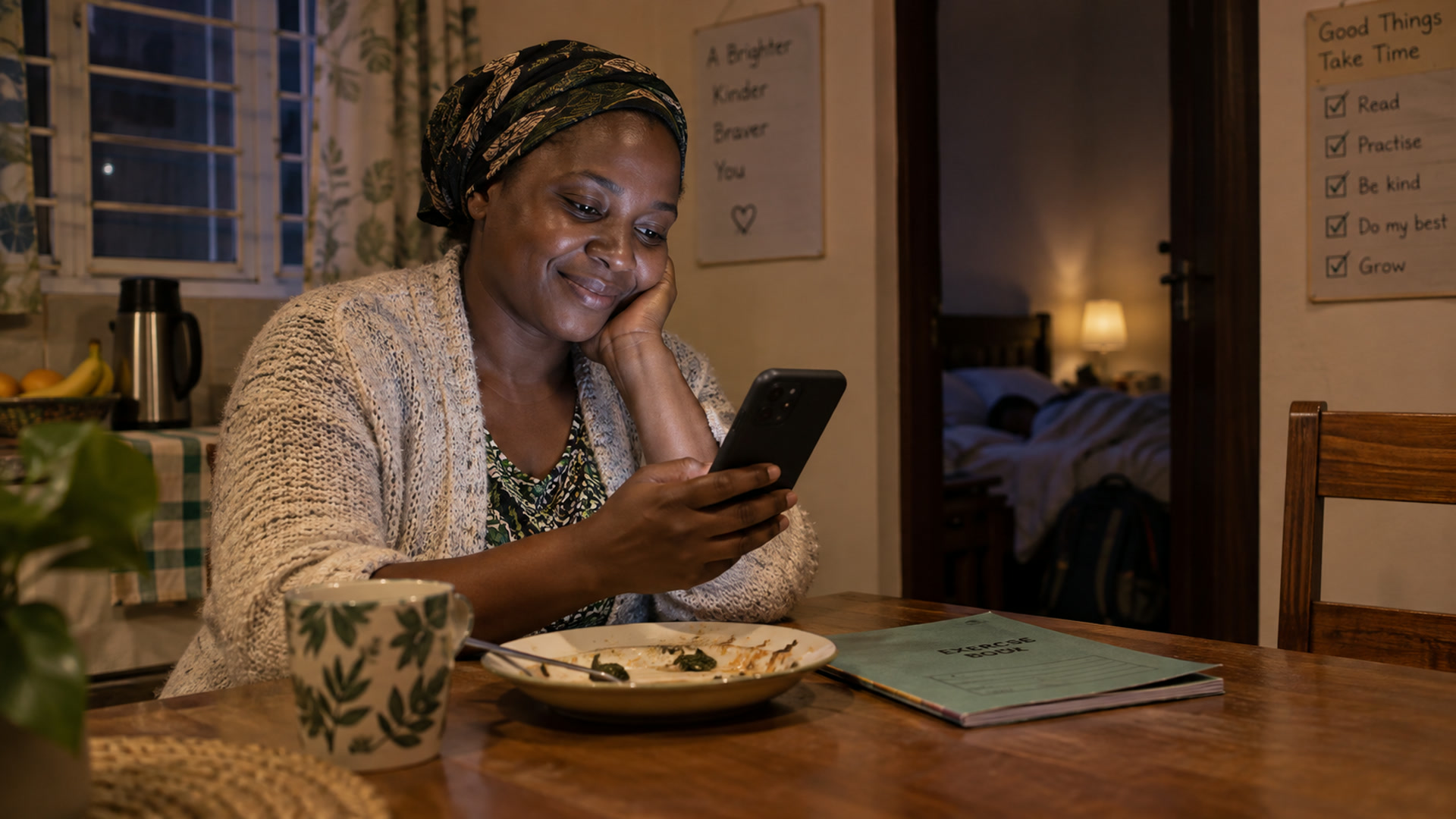
In 2024 we asked a different question: what if families bought practice directly? A parent who wants better practice for their child is not waiting for the school to offer it. Download. Subscribe. Use.
We launched PSL Daily Challenge to test this: five questions a day, about eight minutes, gamified progression on the Mt Ovile journey, on Google Play.
What we saw
Acquisition cost fell sharply versus school sales. Growth became more organic — recommendations, not only field teams. Daily use built habit. Revenue became recurring for families who stay engaged.
That does not mean schools disappear. Workspace still holds the school week. Daily Challenge is the family channel that diversifies how learning reaches home — and how Kurasa grows without burning capital on every new classroom.
Why this matters for edtech in Africa
Most edtech startups sell to schools or districts because that market looks obvious. Schools are slow. Individual users drive adoption. Daily Challenge proved families will pay for better practice — not tutoring theatre, just a short daily habit.
What is next
PSL Daily Challenge is our primary growth engine for 2026 and beyond. We deepen the curriculum, keep teachers able to recommend it as homework, and carry the same model toward Rwanda and Ghana. The future is not only top-down school platforms. It is bottom-up family engagement on the same classroom trail.