Workspace · Assessment
Make assessment useful for the next learning step
Kurasa helps schools organize assessment and grading information so teachers can review progress and decide where support is needed.
Hear from educators and partners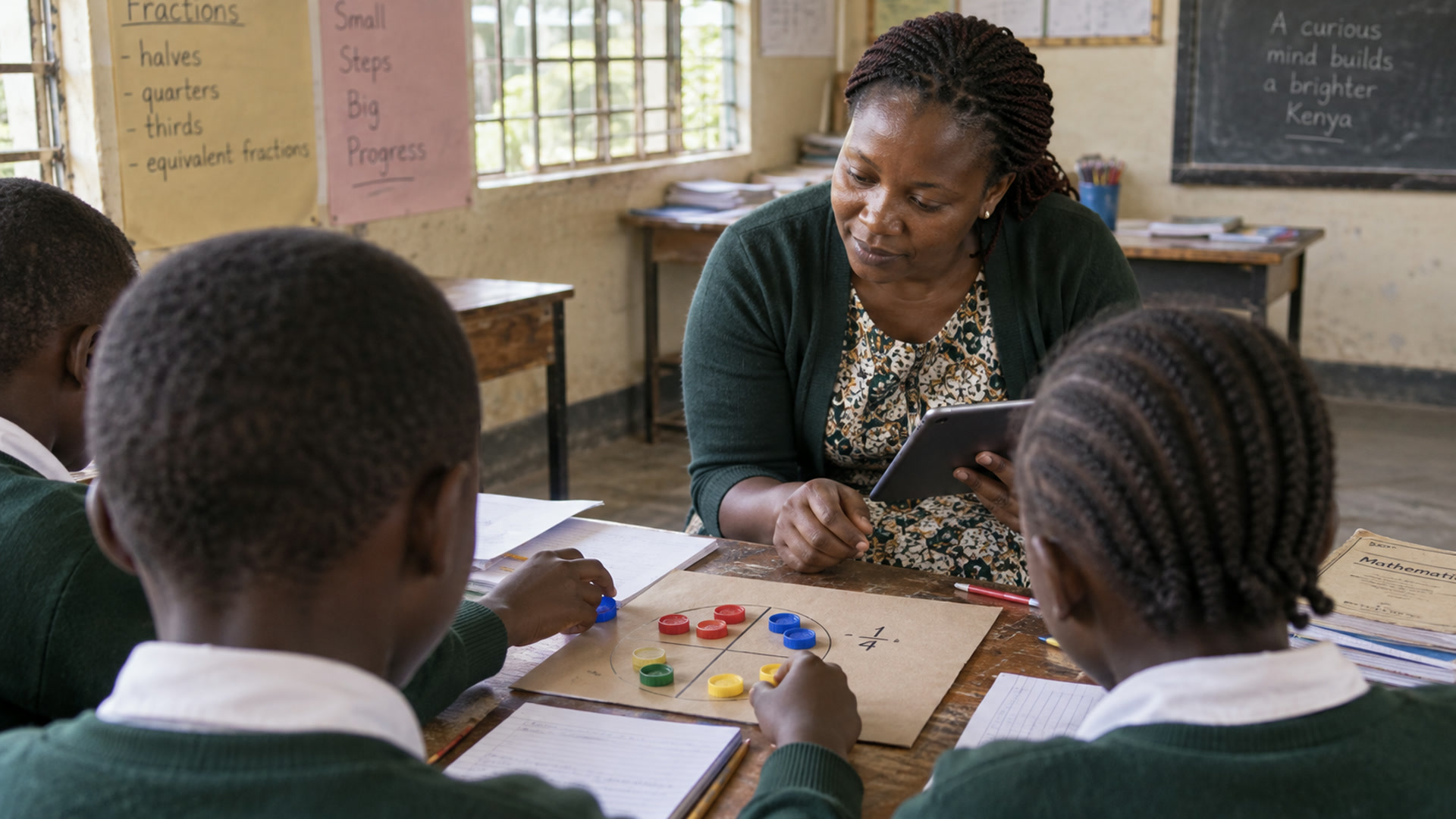
Assessment
Marks stay on one path
Teachers already record formative and summative work in Workspace. The designed path adds a check, class comments, and a head teacher release before a report reaches a family.
In the lesson
Formative records use the school’s CBC levels and stay on the learner profile.
Term assessments
Summative tests and the grade book sit with the class. National assessments such as KPSEA and KJSEA stay on their own sitting.
Release to families
Comments and report cards are designed to wait until a person releases them. A change after release is marked as revised.

Voices from education practice
Hear from educators and partners
Explore their accounts of lesson preparation, classroom evidence and teacher support.
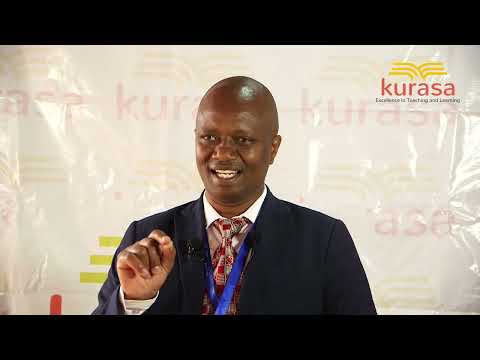
Kenya · assessment practice
Keep learner evidence within reach.
Dr Joseph Wambua · KICD
Dr Joseph Wambua discusses the work involved in tracking learning and maintaining assessment portfolios.
Original audio: English
Record formative assessmentRecord learning evidence
Decide what a classroom check should reveal before recording the result. Keep the learning area, class and assessment context clear so that a later reader can understand the evidence. An unmarked or missing record should prompt a check, rather than an assumption about what a learner knows.
Review and respond
Look at individual work as well as the class pattern. A result may suggest another explanation, more practice or a conversation with the learner. Teachers review the evidence and decide the next teaching step; a summary or score alone cannot explain the circumstances behind it.
Keep records useful
Use a consistent recording routine so that feedback and term reviews draw on information the school can understand. Check incomplete entries and corrections before sharing reports. Confirm which reporting and release workflows are currently available, and follow the school's approval process before information reaches families.
Choose evidence that answers a teaching question
A short classroom check can reveal a misconception; a summative assessment can help review learning over a longer period. Decide what you want to understand before recording results. Keep the learning objective and assessment context clear so that marks or competency records remain meaningful when reviewed later.
Turn a result into a response
Review individual work alongside class patterns. A low result may call for a different explanation, another practice opportunity or a closer conversation with the learner. Use records to plan follow-up and check progress again. A report supports that judgement; a score alone cannot explain the learner’s circumstances.
The problem
Evidence that waits until Friday night is already gone. Paper ticks and sticky notes do not survive the next lesson, and heads cannot see a class that never made it into a shared record.
In the classroom
Mark the class against the strand while learners are still working. The same trail feeds reports, parent updates and the Friday staff picture.
From the classroom record
Fast class reads
Tick a full class in minutes — not a second lesson spent on paperwork.
Same language as CBC
Emerging / meeting / exceeding stay on the competency trail, not A–F grades invented at home.
Evidence that travels
What you mark in the lesson is what the report and the head already share.
Related
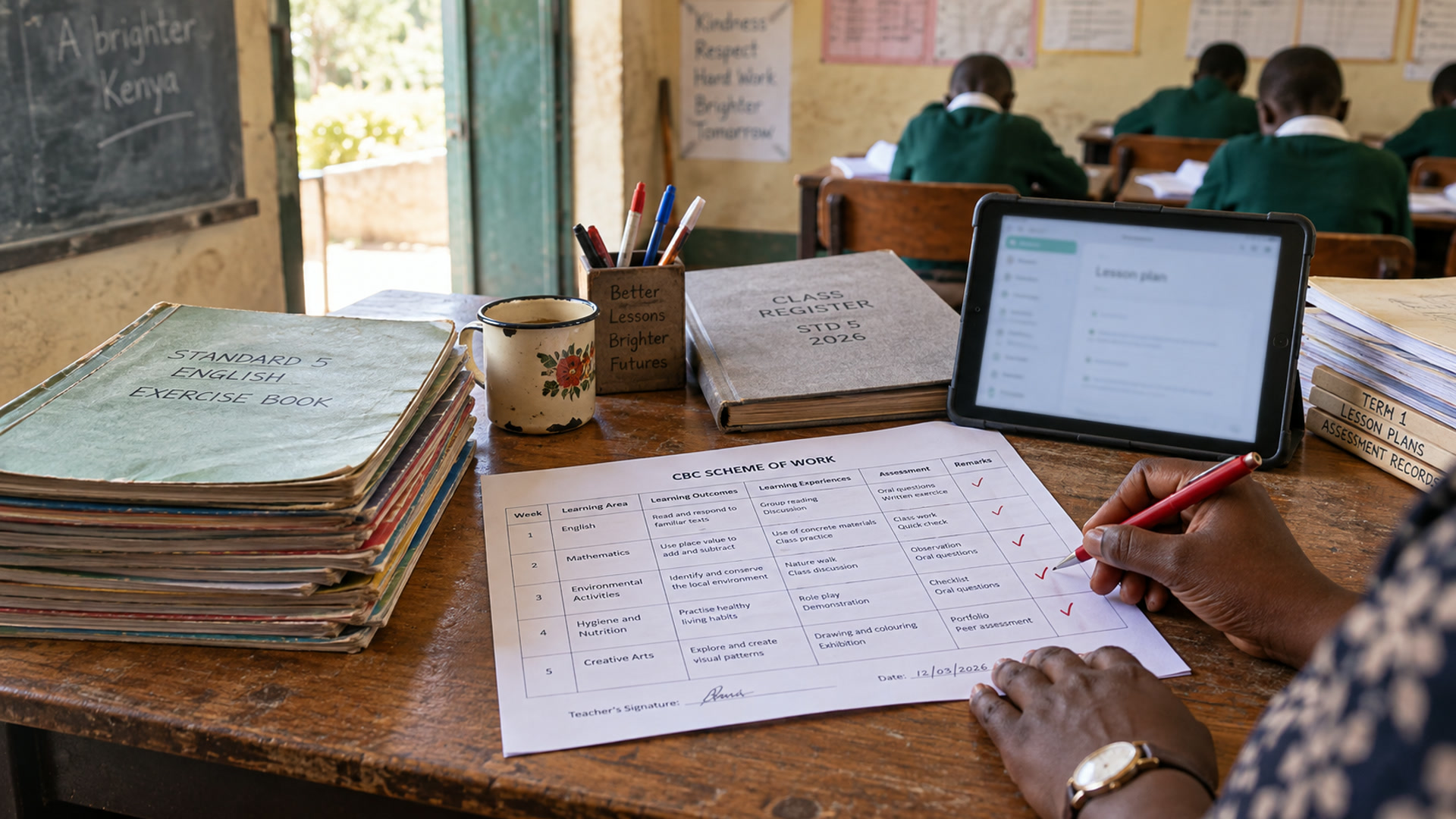
Kurasa Workspace
The digital school: teachers plan and assess, leaders see the whole school.
Explore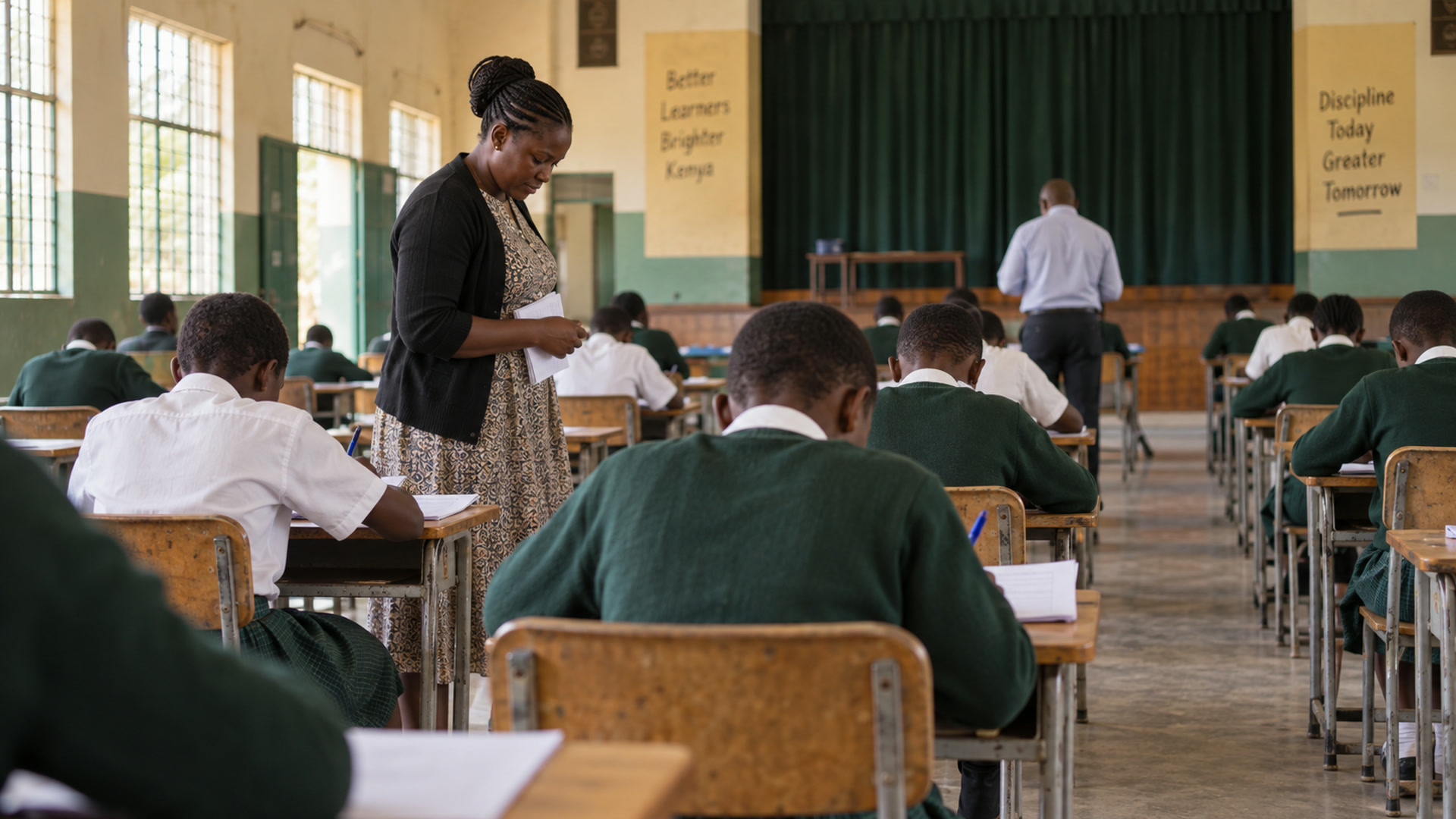
Problem Solvers League
Termly assessments, school rankings and the annual Mathematics Contest.
Explore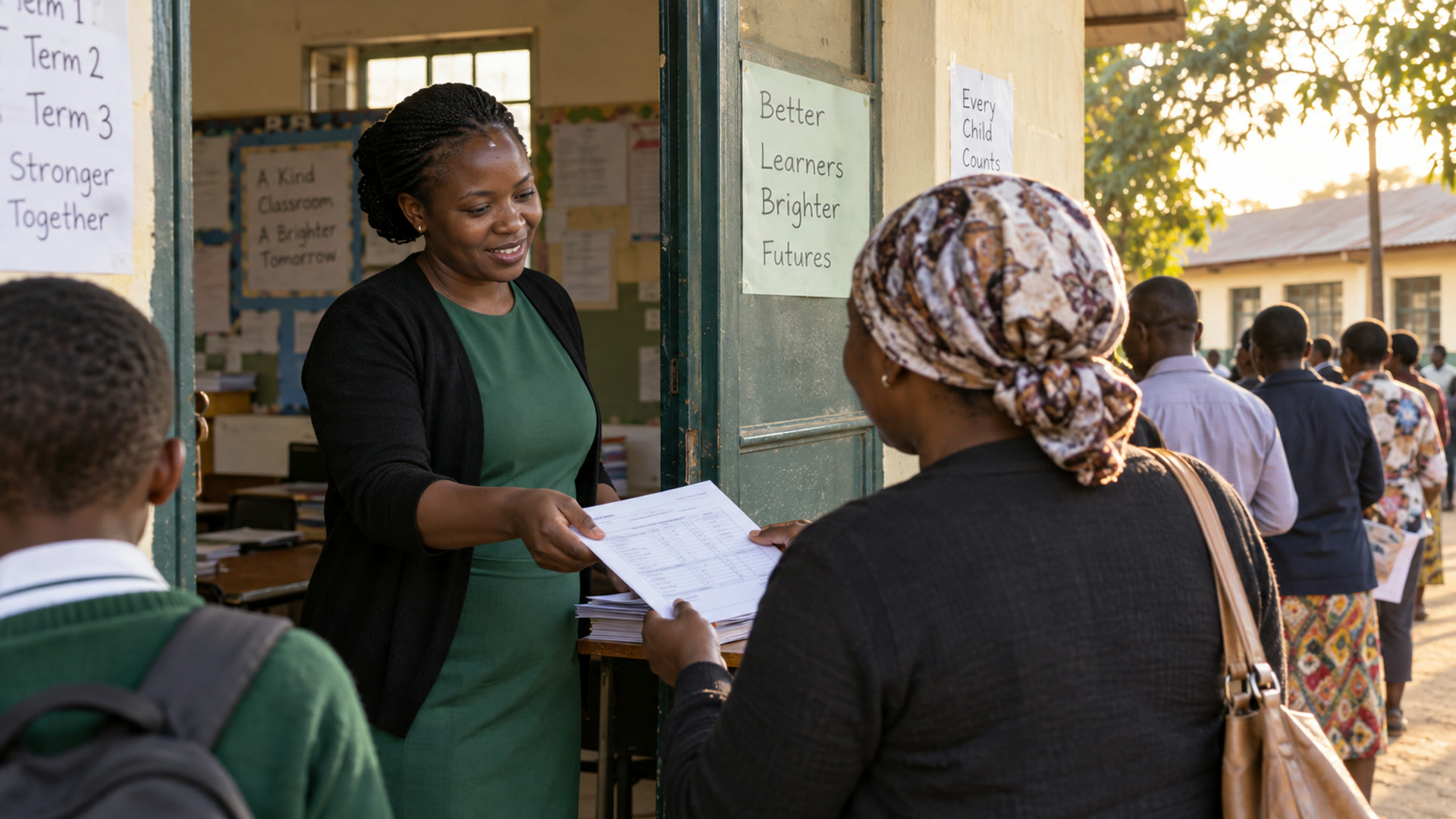
Insights & reports
Learner, class and school reports from the evidence teachers record.
Explore
aiDE for teachers
Plan, create, assess and respond, with the teacher in charge.
Explore